
Beach Fly Fishing
How to fly fish Puget Sound and Hood Canal beaches for sea-run cutthroat and coho: reading the tide, choosing a beach and the cast-and-move approach.
How to fly fish Puget Sound and Hood Canal beaches for sea-run cutthroat and coho: reading the tide, choosing a beach and the cast-and-move approach.
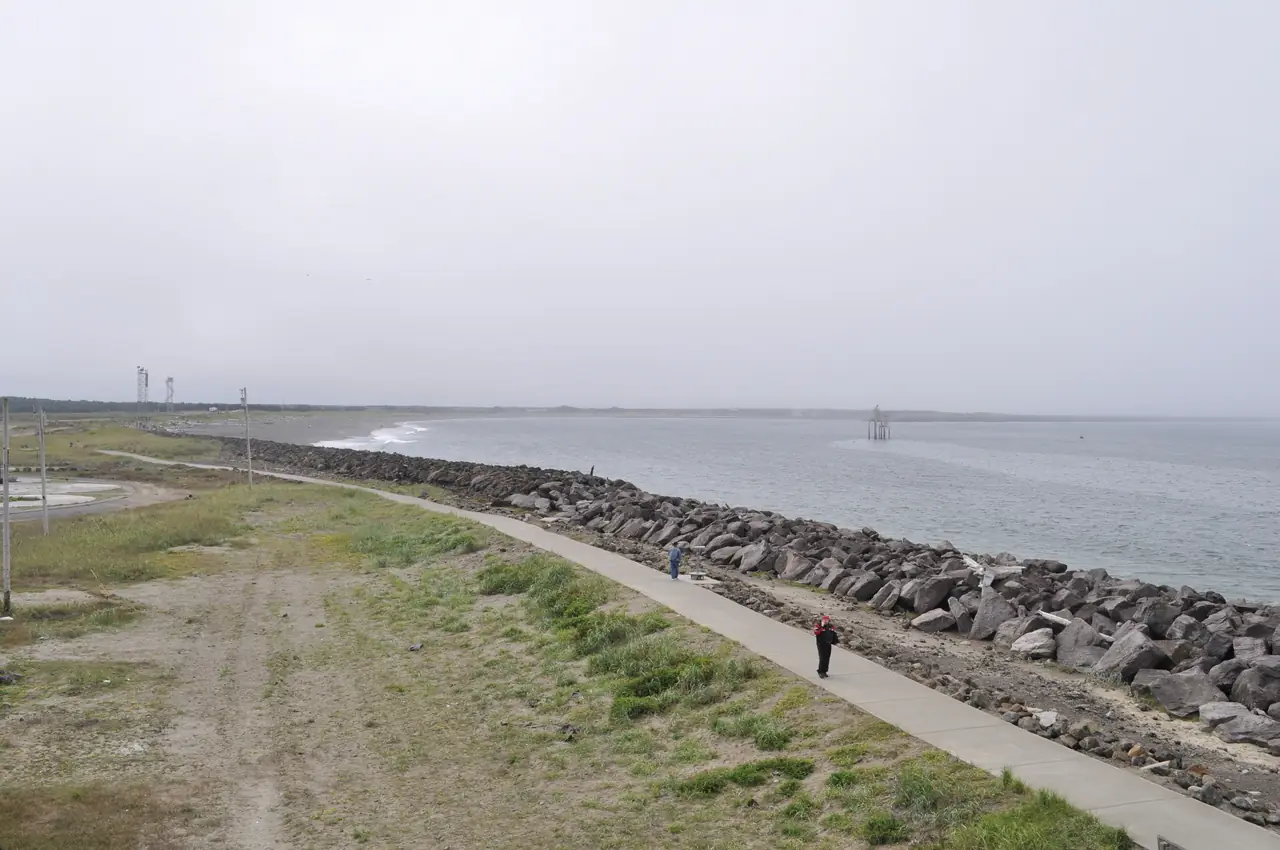
Beach fly fishing means wading a beach and casting flies to fish feeding near shore. Here, the main targets are sea-run cutthroat (coastal trout that feed in salt water) and coho salmon. Pink salmon add another target in odd years.
You don't need a long cast to start. One Orvis News article says cutthroat cruise within about 30 ft of the water's edge, and fish can end up behind anglers who wade too far. Start by looking at the water beside your feet. Then work outward, changing your casting angle and moving along the beach.
The method rewards attention more than distance. Notice where current touches a point, where small fish gather and where you can return safely as the tide rises.
What It Is and When It Beats Other Methods
You cast a fly, let it travel through feeding water and bring it back by stripping: pulling line with your free hand. Between casts, move along the beach rather than working the same patch without a reason. One magazine article favors this cast-and-move approach over repeated casts to one spot.
A fly can suggest a baitfish (a small fish eaten by larger fish) or another small food item. The goal is a believable shape moving through reachable water.
Why It Works
Cutthroat eat herring, candlefish, sculpin, salmon fry, sand shrimp and other small animals. Fry are young fish. Spring feeding can include chum and pink fry. A small fly lets you present that food shape without adding a large lure.
Where they feed also puts them within reach. Rocky bottoms, oyster beds and eelgrass near a stream mouth are useful starting places. Eelgrass is a rooted marine plant with long, narrow leaves. Cast before entering that water; a fish can be much closer than you expect.
Coho also feed near shore when baitfish are present. Surface-feeding fish that chase bait are especially useful targets for a cast fly. Watch the feeding water before choosing where to stand.
Beach fly fishing suits you when:
- Fish are shallow and reachable. Cutthroat often feed close to the water's edge.
- You want an active approach. Casting and moving lets you search different parts of a beach.
- You can see feeding activity. Wheeling birds and splashing fish along current boundaries can reveal coho feeding water.
- You enjoy changing the presentation. A different casting angle, retrieve or line can change how the same fly travels.
The method becomes harder when fish feed beyond your cast or when current prevents useful control. Deep-feeding coho may call for a fast-sinking line rather than a surface presentation. That's a different problem from simply needing to cast farther.
Spin anglers work the same beaches with small spoons and spinners. See Spoons and Spinners for that approach. For deeper boat presentations, see Jigging, Mooching and Trolling. Swung Flies explains another way to use current with a fly.
Brushing Up: Separate reach from control. A shorter cast that lets you feel the fly is a better learning tool than loose line beyond your control.
Target Species and Where in Washington
Sea-run cutthroat are the main focus of this page. Coho, including resident coho, also take cast flies. Resident coho are coho that stay in the Salish Sea. Pink salmon return to Puget Sound in odd years and can come within beach-casting range.
Other salmon can take flies in salt water, including Chinook and chum. That doesn't make every beach a useful target for every species. Choose the fish and Marine Area before choosing the outfit.
A Marine Area is WDFW's numbered saltwater fishing zone. Use Washington Marine Areas Explained below to match a beach with its rules page.
Sea-Run Cutthroat in Puget Sound
Sea-run cutthroat hatch in fresh water, move into salt water and return to spawn. After spawning, they return to intertidal feeding areas in Puget Sound and Hood Canal. Intertidal means the shore zone covered and uncovered by tides.
They average about 10–15 in, though some exceed 20 in. Their size is only part of the appeal. You can search for them by reading the shoreline rather than heading far offshore.
Most Puget Sound cutthroat stay within about 20–30 km of their home stream. They usually spend less than a year at a time in salt water, one Encyclopedia of Puget Sound article says. That's why shore water near streams matters.
Fish tracked for that article slowly cruised the shoreline, mostly about 1–2 m below the surface. Some stayed within about 200–300 m for hours or days. Treat that as a reason to work nearby feeding water, not as a fixed depth or schedule.
Their diet changes with available food. WDFW's sea-run cutthroat post links spring feeding to chum and pink fry. Watch the size and shape of visible food before reaching for a larger fly.
Resident coho provide a related beach target. WDFW's sea-run cutthroat post favors late winter and spring for them. Migratory coho can also enter shallow water when baitfish gather, while odd-year pinks travel in schools within casting range.
See Trout, Cutthroat, Salmon and Coho for species background.
Where It Works in Washington
The beach blocks below cover Puget Sound and Hood Canal beaches named by WDFW. Use them to pick an area to explore. A beach name isn't a route across private shoreland or tidelands.
Look for a combination of food, reachable water and manageable current. Gravel, oysters, eelgrass and freshwater trickles are useful cutthroat clues. For coho, add visible bait, birds and surface feeding to your search.
See Puget Sound Salmon for the wider fishery context.
Beach Access and Etiquette
WDFW asks anglers to respect private property and tidelands. Directions on an area page may not show a direct access route. Don't trespass.
Use WDFW water access sites to find public access. Confirm the route before you leave the car. A shoreline you can see may not connect to where you want to fish.
For state park access, parking and passes, check the park page:
Keep this access check separate from the fishing rules check. Knowing the Marine Area doesn't settle where you can park, enter or continue along the shore.
Beach by Marine Area
Washington Marine Areas Explained
Marine Areas are WDFW's numbered saltwater fishing zones. Seasons and rules are set by area, so find yours on WDFW's Marine Areas page before planning the fishing.
| Marine Area | Where It Is |
|---|---|
| Marine Area 8-1 (Deception Pass/Skagit Bay) | North Beach at Deception Pass State Park. |
| Marine Area 9 (Admiralty Inlet) | Picnic Point and Meadowdale Beach. |
| Marine Area 10 (Seattle/Bremerton) | Alki Point, Lincoln Park, Golden Gardens, Carkeek Park and Richmond Beach. |
| Marine Area 11 (Tacoma/Vashon) | Browns Point and Redondo. |
| Marine Area 12 (Hood Canal) | Belfair State Park. |
| Marine Area 13 (South Puget Sound) | Purdy. |
Fly Beaches by Marine Area

- 1. North Beach at Deception Pass State Park, Marine Area 8-1 (Deception Pass/Skagit Bay)
- 2. Picnic Point and Meadowdale Beach, Marine Area 9 (Admiralty Inlet)
- 3. Richmond Beach, Carkeek Park, Golden Gardens, Alki Point and Lincoln Park, Marine Area 10 (Seattle/Bremerton)
- 4. Browns Point and Redondo, Marine Area 11 (Tacoma/Vashon)
- 5. Belfair State Park, Marine Area 12 (Hood Canal)
- 6. Purdy, Marine Area 13 (South Puget Sound)
Marine Area boundaries: Washington Department of Fish and Wildlife (WDFW).
Simplified from WDFW data. Not the legal boundary; WAC 220-311-010 and WDFW rules govern. Not endorsed by WDFW.
Marine Area boundaries: Washington Department of Fish and Wildlife (WDFW)
Simplified from WDFW data. Not the legal boundary; WAC 220-311-010 and WDFW rules govern. Not endorsed by WDFW.
North Beach at Deception Pass
In Marine Area 8-1 (Deception Pass/Skagit Bay), North Beach at Deception Pass is a WDFW shore-fishing location for coho and pinks in August and September. Pinks come close to shore in odd years, and coastal cutthroat are listed for the area.
Use that timing to plan, then check the tide, the wind and your casting room. Check the Deception Pass State Park page for access, parking and passes. A beach name doesn't tell you where it's safe to wade.
Check WDFW's Marine Area 8-1 rules page.
Rules change by Marine Area and in season. Check the current WDFW sport fishing regulations and emergency rules before every trip.
Picnic Point and Meadowdale
In Marine Area 9 (Admiralty Inlet), Picnic Point and Meadowdale Beach are named in WDFW's sea-run cutthroat post.
They're places to start, not promises of fish. Look at the current, the bottom and the route back before you choose where to stand. Use WDFW water access sites as part of access planning. Respect private property and tidelands.
Check WDFW's Marine Area 9 rules page.
Rules change by Marine Area and in season. Check the current WDFW sport fishing regulations and emergency rules before every trip.
Seattle Beaches
In Marine Area 10 (Seattle/Bremerton), WDFW names Alki Point, Lincoln Park, Golden Gardens, Carkeek Park and Richmond Beach as shore spots.
At Alki Point, WDFW's Marine Area 10 rules page points shore anglers to coho and pinks 1–2 hours before and after the tide change, and to sea-run cutthroat on flies or spinners. WDFW's coho shore post favors the end of the incoming tide at lower-gradient beaches such as Richmond Beach and Golden Gardens.
The same page points to bays and channels on the west side of the area for sea-run cutthroat. Check access separately and respect private property and tidelands.
Check WDFW's Marine Area 10 rules page.
Rules change by Marine Area and in season. Check the current WDFW sport fishing regulations and emergency rules before every trip.
Browns Point and Redondo
In Marine Area 11 (Tacoma/Vashon), WDFW names Browns Point and Redondo as beach spots.
WDFW's Marine Area 11 rules page lists sea-run cutthroat and resident coho at Browns Point in fall and winter on fly gear or small spinning tackle, plus coho and pinks on flies. These are planning clues, not opening dates.
Check the area page's parking and approach information before leaving. Respect private property and tidelands. The shoreline isn't one continuous public route.
Check WDFW's Marine Area 11 rules page.
Rules change by Marine Area and in season. Check the current WDFW sport fishing regulations and emergency rules before every trip.
Belfair State Park
In Marine Area 12 (Hood Canal), WDFW's Marine Area 12 rules page says cutthroat fishing at Belfair State Park is best at high tide and coho stage in the estuary in fall. An estuary is where fresh water meets salt water.
Those coho take flies, the page says. The State Parks page describes pebble beaches and tidal flats. On flats, check the tide and your way back before you pick a spot.
Check the Belfair State Park page for access, parking and passes. Respect private property and tidelands.
Check WDFW's Marine Area 12 rules page.
Rules change by Marine Area and in season. Check the current WDFW sport fishing regulations and emergency rules before every trip.
South Sound Beaches
In Marine Area 13 (South Puget Sound), resident coho and sea-run cutthroat are popular targets. WDFW's Marine Area 13 rules page says the best fishing is often fall through spring. WDFW's sea-run cutthroat post pictures Purdy.
WDFW's saltwater salmon page names the Tacoma Narrows, Fox Island and Purdy as resident coho places. A place name isn't an access point.
Use WDFW water access sites to find public access.
Check WDFW's Marine Area 13 rules page.
Rules change by Marine Area and in season. Check the current WDFW sport fishing regulations and emergency rules before every trip.
Seasons and Conditions
Best Times, Not Regulations. WDFW's sea-run cutthroat post favors winter and spring in South Sound, with summer and fall better in central and north Sound. Its holiday fishing post also points to South Sound cutthroat through the end of winter.
Resident coho draw anglers in winter and spring in Marine Area 13 (South Puget Sound) and in early summer in Marine Area 10 (Seattle/Bremerton), WDFW's saltwater salmon page says. North Beach's shore coho and pink timing is August and September, with pinks in odd years.
These broad windows help you choose where to go. They don't tell you whether fishing is open.
Tide, Light and Weather
Start with WDFW's softer-tide advice. Its sea-run cutthroat post favors fishing just before or soon after the flood tide, the rising tide. A strong minus outgoing tide, one that falls below the chart's reference level, can scatter bait and fish.
An ebb tide is a falling tide. WDFW's holiday fishing post includes soft incoming or outgoing water and slack tide, a period of weak tidal current, while advising against a strong exchange.
One magazine article takes a different approach: leave the slacks and fish moving water. Start with WDFW's softer tides, then watch how the beach fishes. A tide table won't tell you the current at your fly.
At a point, inspect the lee eddy, a spot where current swirls back or slows. Also inspect the tide rip, a current boundary that can concentrate plankton and baitfish. WDFW's sea-run cutthroat post favors these features and moving around the point as the tide shifts. One magazine article favors the up-tide side.
Working a Point Through the Tide

- 1. tide direction arrow
- 2. rip off the point
- 3. eddy in the lee
- 4. move to the other side as the tide turns
- 5. Or fish the up-tide side
One magazine article favors overcast mornings with a ruffle on the water. Polarized glasses help reveal fish and structure. Wind also affects your casting space. If the fly repeatedly crosses your body or the cast feels uncontrolled, change position or stop.
Check NOAA tide predictions and the NWS Seattle forecast office before leaving. Compare the forecast with conditions on arrival.
Keep a log of tide, weather and catches. Add useful observations such as where current formed and whether you could control the retrieve.
Beach Seasons at a Glance

- 1. South Sound cutthroat winter and spring
- 2. central and north Sound cutthroat summer and fall
- 3. resident coho late winter and spring in Marine Area 13 (South Puget Sound), early summer in Marine Area 10 (Seattle/Bremerton)
- 4. migratory coho and pinks at North Beach, Marine Area 8-1 (Deception Pass/Skagit Bay), August and September (pinks odd years)
- 5. chum and pink fry in spring
Seasons are drawn as whole months: winter December to February, spring March to May, summer June to August and fall September to November. Late winter is drawn as February and early summer as June.
Best times, not regulations.
Rods, Reels, Line and Leader
Rod weight describes the fly-line class a rod is designed to cast. It doesn't describe the fish's weight. Fast action means the rod bends mostly near its tip.
For cutthroat, WDFW's sea-run cutthroat post gives a fast-action rod measuring 9 to 9½ ft. It favors a 5- or 6-weight. For coho, WDFW's saltwater salmon page gives a separate range of 6 to 8 weight.
| Gear | Starting Choice | Why It Helps |
|---|---|---|
| Cutthroat Rod | Fast-action, 9 to 9½ ft, 5- or 6-weight. | WDFW's sea-run cutthroat post suggests it. |
| Coho Rod | 6 to 8 weight. | WDFW's saltwater salmon page says most fly anglers pick it for coho. |
| Reel | Saltwater reel with a sealed drag. | Drag is the reel mechanism that releases line under pressure. A sealed drag encloses that mechanism against water and grit. |
| Line | Floating line plus a sinking option. | Lets you change presentation depth. |
| Leader | 9 ft 0X with a floating line, one Orvis News article says. One magazine article also gives 1X. | Connects the fly line to the fly. X sizes measure diameter; a higher number is finer. |
| Tippet | The final, replaceable section beside the fly, no heavier than the leader's tip. | Stays the lightest link, so it breaks first. |
| Flies | Size 6 cutthroat patterns; separate coho baitfish flies measuring 2–5 in. | Match the target rather than treating all beach flies alike. |
| Stripping Basket | A waist basket that holds loose line. | Keeps line contained during casting and retrieving. |
A floating line stays on the surface. An intermediate line sinks slowly. A sinking line carries the presentation below the surface at its stated sink rate. WDFW's sea-run cutthroat post describes spare spools with different sinking lines plus a floating line.
For coho, both floating and fast-sinking lines have a place, depending on feeding depth. Avoid treating an intermediate line as the answer to every beach.
The leader is the line between the fly line and the fly. A tapered leader narrows toward its end. Tippet is the final, replaceable section beside the fly. X size describes leader or tippet diameter; a higher X number means finer material.
Keep the leader lighter than the fly line and the tippet the lightest link, so it breaks first. One Orvis News article pairs a floating line with a 9 ft 0X leader.
Starter Kit vs Upgrade Path
Starter Kit
- Start with the cutthroat rod and saltwater reel described above.
- Carry a floating line and a suitable sinking option. The Scientific Anglers Sonar Titan Full Intermediate sinks at 1.25 inches per second and comes in 6 to 12 weight, so it won't fit a 5-weight rod.
- Use a 9 ft 0X leader on the floating line. For tippet, use fluorocarbon, a leader material that is harder for fish to see. Keep the tippet no heavier than the leader's tip so it stays the lightest link.
- Carry marabou Clousers (weighted baitfish flies) and Muddlers (flies with a clipped hair head). The Umpqua Clouser Minnow comes in size 6, among others.
- Add a basket for loose line. The Scientific Anglers ECOastal Stripping Basket has flexible spikes to help prevent tangles, drain holes and an adjustable belt.
- Include polarized glasses, a wading belt and a soft rubber mesh net.
Upgrade Path
Add line choices before collecting more rods. Spare spools with different sink rates let you fish other depths with the same outfit. Learn how each line behaves before carrying a larger selection.
If you shift toward coho, consider the separate 6- to 8-weight range. Improve organization too: keep spare leaders, dry clothing and fly boxes easy to reach. A local fly shop can tell you how the beaches are fishing.
Terminal Tackle and Rigging, Step by Step
Backing is reserve line stored beneath the casting system on the reel. It sits behind the fly line. A shooting head is a short, heavy front section of fly line that carries the cast. Running line is the thin line behind the head that shoots through the rod guides.
Begin with a simple connection layout you can inspect. Avoid adding stiff sections or extra knots without knowing what each part does.
How It Works, Step by Step
- Spool the reel. Add backing and the chosen fly line. Follow the reel and line makers' connection directions.
- Choose the line for depth. A floating line suits the 9 ft 0X leader below. Sinking lines reach fish feeding deeper.
- Connect the leader. Use the line's connection system. If it uses a butt section (the thick end of a leader, nearest the fly line), follow the line maker's directions.
- Check the taper. Keep the leader lighter than the fly line. Keep the tippet the lightest link. One Orvis News article uses a 9 ft 0X leader with a floating line.
- Add tippet with care. Mono means monofilament, a single strand of fishing line. If using fluorocarbon tippet material, keep it no heavier than the leader tip.
- Attach and inspect the fly. Follow the material maker's knot directions. Moisten and tighten the connection, then pull-test it before casting.
That leader goes with a floating line. For a sinking line, follow the line maker's leader advice.
A loop knot is a knot that leaves a small loop at the lure eye. Follow the line and tippet makers' knot directions.
Choosing a Fly
A Clouser Minnow is a weighted baitfish fly with dumbbell-shaped eyes. A Muddler is a fly with a clipped, buoyant hair head. A popper is a surface fly that pushes water when pulled.
WDFW's sea-run cutthroat post includes marabou Clouser Minnows, Muddlers, poppers and floating baitfish patterns. Start with a shape you can cast and control.
One Orvis News article lists size 6 Chartreuse Clousers, Olive/White Deceivers and Gold Rolled Muddlers for cutthroat. A Deceiver is another baitfish fly pattern. Coho flies run larger.
For coho, WDFW gives chartreuse-and-white or pink-and-white baitfish patterns measuring 2–5 in. Weighted Clouser-type flies are among those choices. Check the fly's total casting load against your outfit.
The Umpqua Clouser Minnow comes in sizes 2, 4, 6 and 2/0. Size 6 matches the Orvis News cutthroat flies.
Flies come barbed and barbless. Check WDFW's hook and barb rules for your Marine Area.
Beach Flies

- 1. marabou Clouser Minnow with dumbbell eyes
- 2. Muddler
- 3. popper
- 4. light baitfish streamer over white (chartreuse and white is a good pick)
- 5. baitfish streamer in pink and white, 2–5 in, for coho
Brushing Up: Change shape, color or weight separately. That makes it easier to understand whether the change improved depth, movement or visibility.
Technique, Step by Step
How It Works, Step by Step
- Walk and look first. Check footing, your route back and space behind the cast. Find reachable water before entering it.
- Cast before you wade. Approach quietly and avoid splashing. Fish may be close enough that stepping in puts them behind you.
- Enter only as far as useful. One magazine article suggests knee-deep wading. Treat that as a limit, not a goal.
- Fan the water. One magazine article describes down-tide casts at 9, 10 and 11 o'clock, then retrieving against the tide. At high tide, it favors parallel casts.
- Control the retrieve. Keep loose line organized and enough contact to notice a pull. With sinking line, allow the fly to descend before retrieving.
- Move and repeat. One magazine article favors covering water rather than repeated casts to the same place. Check the next footing and backcast before moving.
Try short strips and pauses with a baitfish fly. Watch how it moves beside you before casting beyond sight. If you change the retrieve, give that change a fair look before changing the fly too.
For a popper, one magazine article favors long, slow strips that leave a V-shaped wake. Surface disturbance is part of that presentation. It's different from trying to pull a weighted fly below the surface.
Reading a Beach
Look for gravel around baseball to softball size (cobble: rounded stones larger than pebbles), oysters, eelgrass and freshwater trickles. They give fish more reason to stop than a smooth stretch with nothing on the bottom.
One Encyclopedia of Puget Sound article says cutthroat favor gravel beaches with oysters and broken shell over sandy or muddy ones. One magazine article makes an exception for sandy beaches with eelgrass. Look closely before you write a beach off.
Reading a Cutthroat Beach

- 1. baseball- to softball-size gravel
- 2. freshwater trickle or stream mouth
- 3. oyster beds and eelgrass
- 4. water where you can still see bottom
- 5. fish cruising within about 30 ft of the water's edge
- 6. don't wade past them
WDFW's sea-run cutthroat post says if you can't see the bottom, you're too deep. Takes can happen in water as shallow as 6 in. That means fish come close. It isn't a reason to wade until you lose sight of the bottom.
Scout on a minus low tide to see gravel, oyster beds and freshwater trickles. Note them for a later visit. A route you walked at low tide may be under water later.
Reading Tide and Structure
- Points: Inspect the lee eddy and rip. WDFW's sea-run cutthroat post advises changing sides as the tide shifts. One magazine article favors the up-tide side.
- Current Seams: A seam is the boundary between currents moving at different speeds. Watch how your line crosses it and whether you still control the fly.
- Eddies: Look for the slower or returning water beside stronger flow. WDFW's sea-run cutthroat post points to the lee of a point.
- Bottom Features: Rocky bottom, oysters and eelgrass near a stream mouth are useful cutthroat habitat clues.
- Birds and Bait: Wheeling birds and splashing fish along tide rips can reveal coho activity.
- Changing Water: Recheck your stance as the tide turns. A useful fishing angle can become awkward before you notice your feet have moved.
From a Boat or Kayak
A boat or kayak reaches more water. One magazine article describes drifting and stripping rather than trolling, with a long-handled net to help at landing. Keep the fly clear of other people and loose equipment during each cast.
See Safety for life jackets and cold water before you launch.
Worked Examples
These are plans, not catch reports. Each one starts with the WDFW check, then the tide, the forecast and a walk along the beach.
Winter Cutthroat Near Purdy
Rules change by Marine Area and in season. Check the current WDFW sport fishing regulations and emergency rules before every trip.
Check the tide and forecast, then walk the beach before you wade.
Near Purdy in Marine Area 13 (South Puget Sound), plan a December morning on a soft incoming tide. Look for rocky shoreline with baseball- to softball-size gravel near a freshwater trickle.
Choose an intermediate line and a marabou Clouser. Resident coho are another possible target in this area. Match the leader connection to the line system and keep the tippet as the lightest link.
Make the first casts before stepping in. Work reachable water, then move rather than repeatedly casting through the same patch. If the line tightens with a take, pull with the line hand before lifting the rod.
A Floating Line at Lincoln Park
Rules change by Marine Area and in season. Check the current WDFW sport fishing regulations and emergency rules before every trip.
Check the tide and forecast, then walk the beach before you wade.
At Lincoln Park in Marine Area 10 (Seattle/Bremerton), plan an overcast September morning. Choose a floating line, a 9 ft 0X leader and a Muddler.
Keep the leader lighter than the fly line and the final tippet the lightest link. Inspect the fly beside you so you know how it moves before sending it farther away.
Cast before wading. One magazine article suggests wading knee deep and casting parallel to the beach near high tide. Work along the beach with controlled casts. If a fish pulls, strip set (pull line with your stripping hand) and keep tension as you raise the rod.
Odd-Year Pinks at North Beach
Rules change by Marine Area and in season. Check the current WDFW sport fishing regulations and emergency rules before every trip.
Check the tide and forecast, then walk the beach before you wade.
At North Beach at Deception Pass in Marine Area 8-1 (Deception Pass/Skagit Bay), plan an August day in an odd year. WDFW lists coho and pinks for shore anglers here, with pinks close to shore.
Choose a 6- to 8-weight outfit. Use a pink-and-white or chartreuse-and-white baitfish fly measuring 2–5 in. Choose floating or fast-sinking line to match feeding depth.
Start with reachable water before entering it. Watch where the fly travels rather than assuming the longest cast reaches the fish. On a take, pull with the line hand and keep contact as the rod takes the load.
High Tide at Belfair
Rules change by Marine Area and in season. Check the current WDFW sport fishing regulations and emergency rules before every trip.
Check the tide and forecast, then walk the beach before you wade.
At Belfair State Park in Marine Area 12 (Hood Canal), plan a fall day at high tide. WDFW says cutthroat fishing is best at high tide here, while coho stage in the estuary and take flies.
Inspect close water before stepping in. WDFW's sea-run cutthroat post lists poppers for cutthroat but says they have a low hook-up ratio (fewer strikes end in a hooked fish).
Try long, slow strips that leave a V-shaped wake, as one magazine article suggests. A surface disturbance alone isn't a reason to jerk the fly away. When you feel the fish's pull, use the line hand to set and maintain contact.
The Bite, Hook Set, Fight and Landing
A take may feel like a tap, a stop or a firm pull. Stay ready throughout the retrieve, including when the fly comes close.
A strip set means setting the hook by pulling line with the stripping hand. One magazine article recommends it for this fishing. Keep the rod aimed toward the fly, pull the line firmly and then lift as the fish loads the rod.
If you miss, keep control of the line. A sudden high lift can remove the fly from the water and leave loose line around you. Reset your hands before making the next cast.
With a popper, respond to felt contact rather than sight alone. WDFW's sea-run cutthroat post describes poppers as having a low hook-up ratio. Don't turn every splash into a rushed overhead strike.
During the fight, keep steady pressure and let the drag release line under pressure. Clear loose line from your feet and basket. Avoid clamping it when a fish pulls away.
Bring the fish toward a soft rubber mesh net and keep it in the water. Choose a stable landing position before reaching. If the footing is poor, solve that problem before trying to handle the fish.
Strip Set and Release

- 1. pull line with the line hand to set
- 2. keep the rod low
- 3. rubber mesh net, fish kept in the water
Handling and Release
Whether a sea-run cutthroat or another fish may be kept is a WDFW rules question. Check the current rules for the species and Marine Area.
For a fish you intend to release, prepare before it reaches you. Have the net and unhooking tool within reach rather than searching while holding the leader.
- Keep the fish in the water and minimize handling.
- Use a soft rubber mesh net.
- Wet your hands before touching the fish and avoid squeezing its body.
- Support it upright in the water and let it swim away under its own power.
Avoid dragging a fish across gravel or shells. Keep your attention on its support and your footing. If the fly doesn't come free easily, work calmly rather than pulling harder.
Common Mistakes and Fixes
| Mistake | What You Notice | Fix |
|---|---|---|
| Wading Before Casting | Close water goes unfished | Cast from the edge before entering. |
| Wading Too Far | You lose bottom visibility or leave fish behind | Return to shallower, secure footing. |
| Treating Every Tide Alike | Your plan ignores strong exchange or weak current | Begin with WDFW's softer-tide guidance and inspect actual flow. |
| Repeating the Same Cast | You keep covering one narrow patch | Change angle and move. |
| Lifting at the Take | The fly leaves the water with loose line behind it | Use a strip set. |
| Tangled Loose Line | The cast stops short or line catches underfoot | Organize line in a stripping basket. |
| Choosing by Sand Alone | You overlook bottom features | Look for gravel, oysters, eelgrass and freshwater trickles. |
| Overstrong Final Connection | The tippet is no longer the intended weak link | Keep the leader lighter than the fly line and tippet lightest. |
| Changing Everything Together | You can't tell what helped | Change depth, retrieve or fly separately. |
A quiet spell doesn't prove that the beach is wrong. First check whether you can control the fly, whether it is fouled and whether your cast reaches the water you intended.
Tips That Make the Difference
- Scout Low Water. A minus low tide reveals gravel, oysters and trickles that may be covered later.
- Fish the Near Edge. Cutthroat can cruise within about 30 ft of the water's edge. Start close.
- Follow the Point. Recheck the eddy and rip when the tide shifts.
- Carry a Surface Option. Poppers provide a different presentation, though they have a low hook-up ratio.
- Match Food Shape. Spring chum and pink fry are part of the cutthroat feeding picture.
- Separate Coho Gear. WDFW's saltwater salmon page says most fly anglers pick 6 to 8 weight for coho.
- Rinse and Inspect. Rinse the reel after saltwater use and check line, guides and connections for damage.
- Record Conditions. Keep a log of tide, weather and catches so later visits have context.
Think about your next position before moving. Find the footing, look behind the cast and check the return route. That small pause keeps the cast-and-move approach deliberate.
When It's Slow
Start with the presentation. Check for weed or debris on the fly, a wrapped leader or loose line that prevents contact.
Then work through these changes:
- Tide: Inspect the current rather than automatically waiting for faster water. WDFW includes soft tides and, in its holiday post, slack water.
- Position: Revisit the point, lee eddy or rip.
- Habitat: Look for gravel, oysters, eelgrass or a freshwater trickle.
- Depth: Change line choice to suit feeding depth, especially for coho.
- Fly: Compare the fly with the food shape you can see. Cutthroat eat a range of small fish and other animals.
- Retrieve: Change speed or pause without changing every other part of the setup.
- Method: Consider Spoons and Spinners after checking the applicable rules.
Move because you have a reason: a different current edge, useful habitat or a safer casting position. Repeatedly changing flies while leaving poor line control untouched rarely teaches much.
Safety
Beach fly fishing means wading cold salt water on a moving tide. Plan the walk out and the walk back before you cast.
- Rising tide: Watch the tide behind you as closely as the water ahead. Leave a bar or point before rising water cuts off your way back.
- Footing: Barnacles and oyster shells cut, and slick rocks shift under you. Wear sturdy footwear. A snug webbing wading belt, a wading staff and studs help on slick rock. Test each step before you put your weight on it.
- Casting: Wear glasses and a hat. A weighted fly can swing toward your face when the wind or a bad cast changes its path. Stop and move when you lose control.
- Strong ebbs: WDFW's sea-run cutthroat post says Deep South Sound ebbs can run 5–6 knots. Don't wade farther to chase a fly or free a snag.
- Weather and tide: Check the NWS Seattle forecast office and NOAA tide predictions before you leave.
- From a boat or kayak: Wear a life jacket that fits. Washington State Parks says to carry a properly fitted U.S. Coast Guard-approved life jacket for each person. Check its life-jacket guidance for the children's and throwable rules. Check Washington State Parks' boater education rules, especially if you run a motor.
- Cold water: Many Washington waters stay under 60°F most of the year. Cold water shock is a risk even when the air feels warm. Read Washington State Parks' cold-water guidance.
Beach Wading Safety Strip

- snug wading belt

- wading staff on slick rock
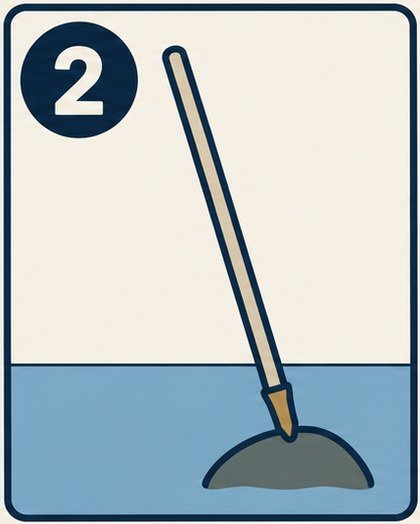
- watch the incoming tide behind you
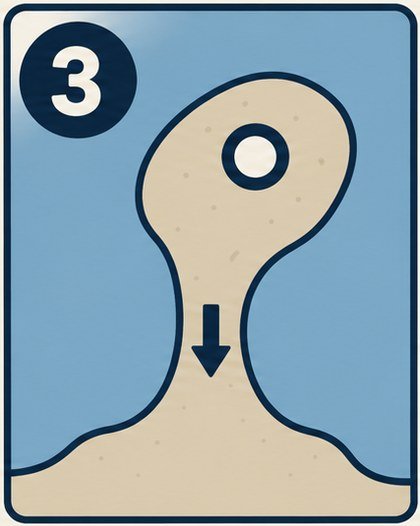
- cold water under 60°F most of the year
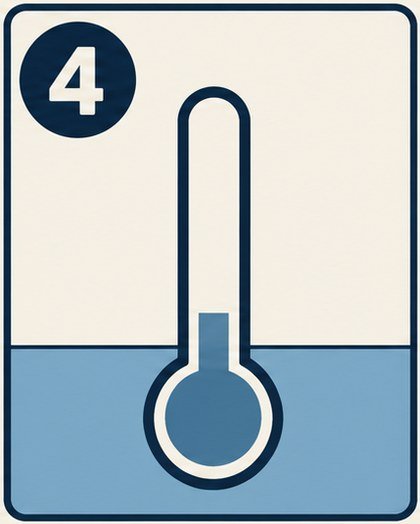
- check the forecast and tides
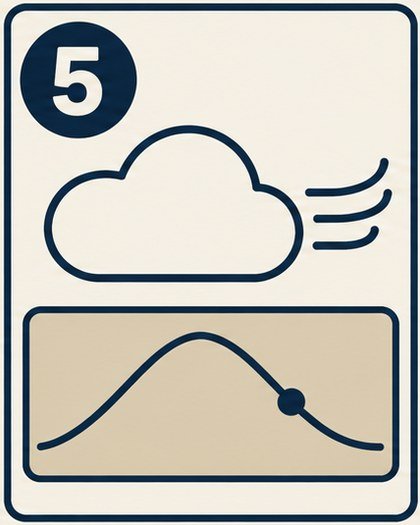
- 1. snug wading belt
- 2. wading staff on slick rock
- 3. watch the incoming tide behind you
- 4. cold water under 60°F most of the year
- 5. check the forecast and tides
WDFW Rules to Check
Check the exact Marine Area, beach and species before choosing tackle or planning the fishing.
- Whether sea-run cutthroat may be kept.
- Salmon openings and which species may be kept.
- Hook and barb rules.
- Bait rules.
- Closed areas.
- Catch record cards.
- Park or access rules for the beach.
A fly pattern, worked example or beach pin doesn't answer those questions. Recheck when your destination or target changes.
Rules change by Marine Area and in season. Check the current WDFW sport fishing regulations and emergency rules before every trip.
Learn More
- WDFW's Sea-Run Cutthroat Post — habitat, food, tide and tackle.
- WDFW's Holiday Fishing Post — winter cutthroat and softer-tide advice.
- WDFW Coastal Cutthroat Species Page — species and life-history background.
- Encyclopedia of Puget Sound: Coastal Cutthroat and Estuary Use — shoreline movements and feeding habitat.
- WDFW Saltwater Salmon Basics — salmon feeding, fly tackle and beach context.
- WDFW Marine Areas — find your numbered fishing zone.
- WDFW Water Access Sites — find public access.
- NOAA Tides & Currents — tide planning.
- NWS Seattle Forecast Office — forecasts for Puget Sound and Hood Canal.
- WDFW Sport Fishing Regulations and Emergency Rules — check before every trip.
- Washington State Parks Life Jackets and Cold-Water Safety — before a day on the water.
- Cutthroat, Coho, Swung Flies and Spoons and Spinners — related species and methods.
Glossary
- Backing
- Reserve line stored beneath the casting system on the reel.
- Baitfish
- Small fish eaten by larger fish.
- Butt Section
- Thick end of a leader, nearest the fly line.
- Clouser Minnow
- Weighted baitfish fly with dumbbell-shaped eyes.
- Cobble
- Rounded stones larger than pebbles.
- Deceiver
- Baitfish fly pattern.
- Drag
- The reel mechanism that releases line under pressure.
- Ebb Tide
- Falling tide.
- Eddy
- Spot where the current swirls back or slows.
- Eelgrass
- Rooted marine plant with long, narrow leaves.
- Estuary
- Place where fresh water meets salt water.
- Fast Action
- Rod that bends mostly near its tip.
- Floating Line
- Fly line that stays on the surface.
- Flood Tide
- Rising tide.
- Fluorocarbon
- Leader material that is harder for fish to see.
- Fry
- Young fish.
- Intermediate Line
- Fly line that sinks slowly.
- Intertidal
- Shore zone covered and uncovered by the tides.
- Leader
- Line between the fly line and the fly.
- Loop Knot
- Knot that leaves a small loop at the fly eye.
- Marine Area
- WDFW's numbered saltwater fishing zone.
- Minus Tide
- Tide below the chart's reference level.
- Mono
- Monofilament, a single strand of fishing line.
- Muddler
- Fly with a clipped, buoyant hair head.
- Popper
- Surface fly that pushes water when pulled.
- Resident Coho
- Coho that stays in the Salish Sea.
- Rod Weight
- Fly-line class a rod is designed to cast.
- Running Line
- Thin line behind the head that shoots through the rod guides.
- Sea-Run Cutthroat
- Coastal cutthroat trout that feeds in salt water.
- Sealed Drag
- Reel drag enclosed against water and grit.
- Seam
- The boundary between currents moving at different speeds.
- Shooting Head
- Short, heavy front section of fly line that carries the cast.
- Sinking Line
- Fly line designed to carry the presentation below the surface.
- Slack Tide
- Period of weak tidal current.
- Strip Set
- Setting the hook by pulling line with the stripping hand.
- Stripping
- Retrieving a fly by pulling line with the free hand.
- Stripping Basket
- Waist basket that holds loose fly line.
- Tapered Leader
- Leader that narrows toward its end.
- Tide Rip
- Current boundary that can concentrate plankton and baitfish.
- Tippet
- Final, replaceable section of line beside the fly.
- X Size
- Diameter scale for leaders and tippet; higher numbers mean finer material.
Guides Who Specialize in This
Guided fly fishing trips run in Puget Sound; the beach method on this page needs no guide.
Ask your guide for their WDFW guide license number before you book.
More Saltwater Methods
Explore Crabbing and Shrimping, Halibut, Jigging, Mooching, Squid Jigging and Trolling for other saltwater approaches.
At a Glance
| Field | Summary |
|---|---|
| Main Species | Sea-run cutthroat and coho, with pinks in odd years. |
| Water | Puget Sound and Hood Canal beaches by Marine Area. |
| In Short | Cast into reachable feeding water, control the retrieve and move along the beach. |
| Skill Level | Casting and tide reading take practice. Begin close rather than chasing a fixed casting distance. |
| Key Gear | Cutthroat: fast-action 9 to 9½ ft 5- or 6-weight rod and saltwater reel with sealed drag. Coho: separate 6- to 8-weight choice. |
| Line and Leader | Floating or sinking line by presentation. Floating-line example: 9 ft 0X leader, lighter than the fly line, with tippet as the lightest link. |
| Flies | Marabou Clousers, Muddlers and poppers. One Orvis News article's cutthroat flies are size 6; coho baitfish patterns measure 2–5 in. |
| First Move | Cast before wading and inspect nearby water. |
| Conditions | Start with WDFW's softer-tide guidance, then inspect actual current and weather. |
On This Page
- What It Is and When It Beats Other Methods
- Target Species and Where in Washington
- Beach by Marine Area
- Seasons and Conditions
- Rods, Reels, Line and Leader
- Terminal Tackle and Rigging, Step by Step
- Technique, Step by Step
- Worked Examples
- The Bite, Hook Set, Fight and Landing
- Handling and Release
- Common Mistakes and Fixes
- Tips That Make the Difference
- When It's Slow
- Safety
- WDFW Rules to Check
- Learn More
- Glossary
- Guides Who Specialize in This
- More Saltwater Methods