
Jigging
How to jig Washington salt water for salmon, lingcod and rockfish: choosing the jig, finding bait and structure, timing the tide and releasing fish at depth.
How to jig Washington salt water for salmon, lingcod and rockfish: choosing the jig, finding bait and structure, timing the tide and releasing fish at depth.
Jigging means working a weighted lure with lifts and drops of the rod. You can fish beneath a drifting boat or cast and work the lure back from shore. For salmon, the starting point is baitfish. For bottomfish, it is structure: rocks, reefs and other bottom features that hold fish.
The gear is simple enough to learn without a crowded tackle box. The harder part is placing the jig where you intend it to fish. Start with a clear target, choose a weight that reaches it and learn how the lure feels. Then adjust your drift, cast or jigging motion before changing everything in the box.
What It Is and When It Beats Other Methods
A metal jig is a weighted metal lure, often shaped like a baitfish. WDFW describes moving a fish-shaped lead jig up and down with sweeps of the rod. You work the lure yourself instead of letting a moving boat pull it.
Bottomfish tackle often uses a leadhead, a hook with weight molded around its head. Add a soft plastic, a flexible lure body, to give it shape and movement. A swimbait is a fish-shaped soft plastic with a swimming tail. These presentations let you work close to structure without dragging continuously across it.
Why It Works
Jigging lets you stay with concentrated fish. WDFW places it among drift methods that work best where salmon gather. Finding bait schools gives you a reason to stop and work a particular depth. Repeated casts or drops then let you change the presentation while keeping it near that target.
Bottomfish jigging follows a different clue. Lingcod use rocky bottom, ledges, pinnacles and small depressions. A controlled drift can carry your jig across that structure while you keep it just above the bottom. The aim is deliberate contact with the fishing zone, followed by enough lift to avoid dragging.
Jigging becomes less useful when salmon are scattered across a large area. Trolling covers that situation more effectively. Strong current and wind also make bottomfish presentations harder to control. They can carry you past the structure or increase snagging.
Vertical or Horizontal
Vertical jigging means raising and lowering the lure beneath you. Let out line until the jig reaches the chosen depth, then vary the speed and distance of your lifts. Keep track of where the lure is rather than repeating a motion without checking depth.
Horizontal jigging means casting the lure and working it back through the water. Let it sink, pull the rod toward you to raise it, then push the rod back while reeling slack. Repeat that sequence through the retrieve. This gives shore anglers a way to cover water beyond the end of a pier or beach.
Neither approach calls for a fixed stroke throughout the day. WDFW advises varying speed and distance. Change a clear part of the motion, observe the result and keep the rest consistent.
Common choices include:
- Metal jigs for salmon: Chrome or white jigs in 2, 4 and 6 oz are WDFW's starting choices.
- Casting jigs: A Buzz Bomb is an option WDFW names for shore fishing at Browns Point. Choose its size by depth and water movement.
- Leadheads and plastics: A 4–6 in grub, squid-shaped body or swimbait works for bottomfish. Set head weight by current and depth.
- Whole or live bait: WDFW describes live flounder or whole herring for lingcod.
For a bait presentation aimed at salmon, see Mooching. For more shore casting context, see Spoons and Spinners. Separate pages cover Halibut and Squid Jigging.
Target Species and Where in Washington
Chinook, coho and pink salmon all take jigs in Washington's marine waters. Pinks belong in odd-year plans. Blackmouth are resident Chinook that stay in the Salish Sea. Their near-bottom feeding pattern gives you a different starting point from coho higher in the water.
Lingcod are bottom predators associated with rocky structure. Rockfish include many species, so avoid treating them as a single target with a single set of rules. Some Puget Sound populations are listed under the Endangered Species Act. Cabezon and kelp greenling also occur around structure.
Where It Works in Washington
Think about the habitat before choosing the lure:
- Salmon water: Search for bait schools, then put the jig at their depth. Coho also use tide rips, current boundaries that can concentrate plankton and baitfish.
- Lingcod water: Look for rocky pinnacles, reefs, ledges, breakwaters and depressions. A small bottom change can matter.
- Rockfish water: Rocky bottom and kelp are useful habitat clues. In Marine Area 4 (Neah Bay), WDFW also describes black and yellowtail rockfish in mid-water around nearshore kelp.
- Shore water: Jigs can be cast from beaches, piers, breakwaters and jetties where access and conditions suit the presentation.
These are habitat clues, not permission to fish a particular depth or retain a species. Check the current WDFW rules for the water you choose.
Where the Fish Sit

- 1. Coho: often the top 50 ft
- 2. Chinook in open water: start at 40–80 ft
- 3. Blackmouth: within about 10 ft of the bottom in 60–200 ft
- 4. Lingcod and rockfish: on rocky bottom and kelp
- 5. Black and yellowtail rockfish: mid-water over nearshore kelp (Neah Bay)
See Salmon and Lingcod for more species background.
Marine Area by Marine Area
Washington Marine Areas Explained
A Marine Area is WDFW's numbered saltwater fishing zone. Seasons and rules are set by area and can change in season. Find yours on WDFW's Marine Areas page before choosing a spot.
| Marine Area | Where It Is |
|---|---|
| Marine Area 2 (Westport/Ocean Shores) | The coastal jetties. |
| Marine Area 4 (Neah Bay) | Rocks, pillars and nearshore kelp. |
| Marine Area 5 (Sekiu/Pillar Point) | Sekiu, for blackmouth and bottomfish. |
| Marine Area 7 (San Juan Islands) | Rocky islands, reefs and pinnacles. |
| Marine Area 9 (Admiralty Inlet) | Possession Bar and Point No Point. |
| Marine Area 10 (Seattle/Bremerton) | Blakely Rock and Restoration Point. |
| Marine Area 11 (Tacoma/Vashon) | Browns Point, from shore. |
| Marine Area 13 (South Puget Sound) | Fish Trap and Toliva Shoal. |
Jigging Spots by Marine Area

- 1. Neah Bay, Marine Area 4 (Neah Bay)
- 2. Sekiu, Marine Area 5 (Sekiu/Pillar Point)
- 3. San Juan Islands reefs, Marine Area 7 (San Juan Islands)
- 4. Possession Bar, Marine Area 9 (Admiralty Inlet)
- 5. Blakely Rock and Restoration Point, Marine Area 10 (Seattle/Bremerton)
- 6. Browns Point (shore), Marine Area 11 (Tacoma/Vashon)
- 7. Fish Trap and Toliva Shoal, Marine Area 13 (South Puget Sound)
Marine Area boundaries: Washington Department of Fish and Wildlife (WDFW).
Simplified from WDFW data. Not the legal boundary; WAC 220-311-010 and WDFW rules govern. Not endorsed by WDFW.
Marine Area boundaries: Washington Department of Fish and Wildlife (WDFW)
Simplified from WDFW data. Not the legal boundary; WAC 220-311-010 and WDFW rules govern. Not endorsed by WDFW.
San Juan Islands Reefs
In Marine Area 7 (San Juan Islands), rocky islands, reefs and pinnacles provide bottomfish structure. WDFW describes presentations ranging from casting into shallow kelp to bottom-bouncing bait. Start by deciding which habitat you can reach and control a jig over.
Watch the strong currents here. Plan the drift around the structure rather than dropping wherever the boat happens to stop. Bottomfish are easier to work near slack.
Check WDFW's Marine Area 7 rules page.
Rules change by Marine Area and in season. Check the current WDFW sport fishing regulations and emergency rules before every trip.
Possession Bar
In Marine Area 9 (Admiralty Inlet), Possession Bar has small depressions in 30–90 ft of water that hold lingcod, WDFW says. Study the bottom detail. A broad bar can contain smaller features that give your drift a clear target.
WDFW also lists Possession Bar and Point No Point among salmon sites. Choose whether you're following bait or working bottom structure before making the drop. Those are different presentations, even when they share the same general water.
Check WDFW's Marine Area 9 rules page.
Rules change by Marine Area and in season. Check the current WDFW sport fishing regulations and emergency rules before every trip.
Blakely Rock and Restoration Point
In Marine Area 10 (Seattle/Bremerton), WDFW names Blakely Rock and Restoration Point in its lingcod advice. Its area page also describes shore and boat bottomfishing opportunities.
For a boat presentation, inspect the chart and sonar before setting the drift. Put the lure near the feature you selected, then lift it clear of bottom. A named spot is a place to look, not a safe boat position or shore approach.
Check WDFW's Marine Area 10 rules page.
Rules change by Marine Area and in season. Check the current WDFW sport fishing regulations and emergency rules before every trip.
Browns Point From Shore
In Marine Area 11 (Tacoma/Vashon), WDFW names Browns Point for shore presentations using Buzz Bombs, jigs or flies for coho and pinks. Treat pinks as an odd-year target.
A horizontal retrieve lets you cast, sink and work the jig back through reachable water. Choose stable footing and leave room behind you. Learn the retrieve close enough to maintain control before trying to extend the cast.
Check WDFW's Marine Area 11 rules page.
Rules change by Marine Area and in season. Check the current WDFW sport fishing regulations and emergency rules before every trip.
Fish Trap and Toliva Shoal
In Marine Area 13 (South Puget Sound), WDFW names Fish Trap for boat-based hatchery Chinook fishing and describes jigging among the methods used there. Toliva Shoal appears separately in WDFW's lingcod advice.
Keep those purposes separate when planning. At Fish Trap, begin with the salmon question: where is the bait? At Toliva Shoal, begin with the structure question: where can the drift place the lure?
Check WDFW's Marine Area 13 rules page.
Rules change by Marine Area and in season. Check the current WDFW sport fishing regulations and emergency rules before every trip.
Sekiu
In Marine Area 5 (Sekiu/Pillar Point), WDFW connects blackmouth with bait and describes lingcod and rockfish habitat around rocky areas and kelp beds. Its jigging advice also places Chinook presentations near sandy bottom or higher with bait schools.
The useful distinction is habitat. A sandy-bottom salmon presentation differs from working a leadhead over rock. Check what is beneath the boat before deciding how close to bottom to fish.
Check WDFW's Marine Area 5 rules page.
Rules change by Marine Area and in season. Check the current WDFW sport fishing regulations and emergency rules before every trip.
Neah Bay
In Marine Area 4 (Neah Bay), rocks and pillars provide lingcod and rockfish habitat. Black and yellowtail rockfish also use mid-water around nearshore kelp, where WDFW lists jigging as a method.
Ocean conditions belong at the start of the plan. WDFW warns that this water can be extremely hazardous without ocean and bar experience, and weather changes quickly. A spot on the chart isn't a safe route to it.
Check WDFW's Marine Area 4 rules page.
Rules change by Marine Area and in season. Check the current WDFW sport fishing regulations and emergency rules before every trip.
Coastal Jetties
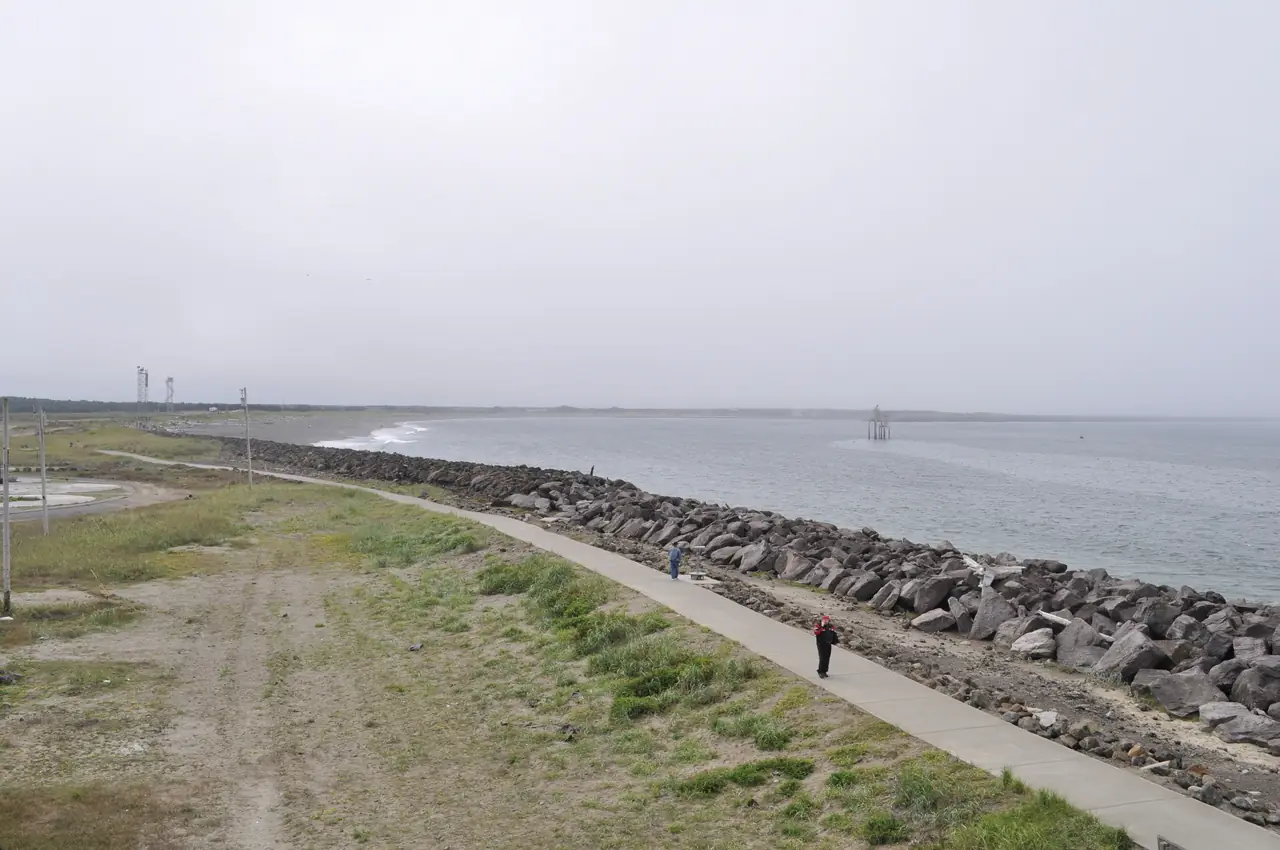
In Marine Area 2 (Westport/Ocean Shores), WDFW's area page points shore anglers to the jetties and links its jetty fishing article.
Check WDFW's Marine Area 2 rules page. Check posted jetty closures.
Rules change by Marine Area and in season. Check the current WDFW sport fishing regulations and emergency rules before every trip.
Seasons and Conditions
Best Times, Not Regulations. These are fishing patterns, not openings.
Blackmouth planning centers on winter and early spring. At Browns Point in Marine Area 11 (Tacoma/Vashon), WDFW describes shore coho and pink opportunities in August–September, with pinks an odd-year fish. Fish Trap in Marine Area 13 (South Puget Sound) has returning hatchery Chinook in late summer and early fall.
WDFW describes spring and early summer lingcod fishing in Marine Area 7 (San Juan Islands) and Marine Area 9 (Admiralty Inlet). Its coastal bottomfish guidance also points to spring and early summer. Check current rules separately for your species, area and planned trip.
Reading the Water: Tide, Current and Structure
Slack tide means a period of weak tidal current. For bottomfish, WDFW's lingcod post says to fish about an hour either side of slack. Watch the actual current too. If the line streams away and the boat passes the feature before you can work it, reset the drift.
Hard current or wind can increase snags or carry the boat beyond the target. Adding weight may help reach depth, but it doesn't repair a poorly placed drift. Reset so the jig crosses the selected structure.
Read bottom detail with care. WDFW lists reefs, rock piles, pinnacles, wrecks, ridges and artificial reefs as useful lingcod structure. WDFW's lingcod post says even a 2 ft depression can hold fish. Search for changes within the larger feature rather than treating all rocky bottom alike.
For salmon, look for bait schools. Coho use rips, while Chinook also use kelp edges around dawn and dusk. A bait ball is a tightly grouped school of baitfish. Learn to separate that target from the bottom on your sonar.
When targeting other species, WDFW advises avoiding rockfish habitat and moving after an unintended rockfish hookup. Repeatedly dropping into the same habitat works against that advice.
Check NOAA Tides & Currents and the NWS Seattle forecast office for the marine forecast. For shore bottomfishing, WDFW advises small swell and light wind.
Brushing Up: Record whether you lost the target because of current, wind or poor drift placement. Those observations help you choose the next adjustment.
Rods, Reels, Line and Leader
Braid is line woven from fibers. Its low stretch helps transmit taps through the line. Mono is monofilament, a single strand of fishing line. WDFW's salmon jigging setup uses a short mono leader, the line between the swivel and the jig.
A swivel is a small rotating connector that reduces line twist. Jigs can twist line, so WDFW places a good swivel between the main line and leader.
A level-wind reel has a guide that moves across the spool to lay line evenly. Direct drive means its handle turns with the spool. WDFW favors a direct-drive level-wind for vertical salmon jigging. For shore casting, its jetty guidance uses a spinning outfit.
| Gear | Starting Setup | Use and Reason |
|---|---|---|
| Salmon Rod | Shorter, stiffer rod; WDFW gives a 7½ ft example rated for 4 or 6 oz lures. | Match the actual lure to the rod's rating. |
| Lingcod Rod | Stiffer, fast-action 7–8 ft jigging rod. | Suits controlled work near structure. |
| Jetty Rod | Stout 8–10 ft spinning rod. | A separate shore casting setup. |
| Salmon Main Line | 10–20 lb braid. | Low stretch helps you feel contact. |
| Lingcod Main Line | About 200 yd of 30 lb braid. | Match reel capacity to the chosen line. |
| Salmon Leader | 3–4 ft mono, the same test as the main line or lighter. | Keeps the leader at or below main-line strength. |
| Lingcod Leader | 30 lb leader with 30 lb braid. | Follows the same strength rule. |
| Salmon Metal Jigs | 2, 4 and 6 oz; chrome or white to start. | Gives weight choices for different conditions. |
| Bottomfish Lure | Leadhead with a 4–6 in soft plastic. | Choose head weight by depth and current. |
| Jetty Leadheads | 1–2 oz with plastic tails, skirts or swimbaits. | Keep this shore range separate from boat tackle. |
| Descending Device | Weighted hook, lip clip or drop basket, assembled before fishing. | Provides a prepared way to return rockfish to depth. |
Keep leader strength at or below the main line so the leader is the intended breaking point. That is a tackle design choice, not a promise about where every snag will break.
Starter Kit vs Upgrade Path
Starter Kit
- Start a vertical salmon outfit with WDFW's stiff 7½ ft rod example and a level-wind reel. Check the rod's lure rating before using a particular jig.
- Spool salmon gear with 10–20 lb braid. Berkley x9 Braid is one option.
- Add a good swivel and a 3–4 ft mono leader no heavier than the main line.
- Carry chrome or white metal jigs in WDFW's 2, 4 and 6 oz choices, using each only with a suitably rated rod.
- For lingcod, use 30 lb braid with a 30 lb leader and generic leadheads with 4–6 in plastics.
- Assemble a descending device before fishing. SeaQualizer is a pressure-activated jaw-clamp option.
- Ask a local tackle shop to help match your existing outfit to the chosen presentation.
Seaguar STS is fluorocarbon, leader material that is harder for fish to see. Its listed range is 4–17 lb. Don't use it for the 30 lb lingcod leader. For salmon, use a test no heavier than the main line. WDFW starts with mono.
Upgrade Path
Improve control before adding tackle. A rod better matched to the lure, a reel that feeds line smoothly and a clearer sonar display can make the same presentation easier to manage. Keep replacement leaders organized and spare plastics straight. A dedicated descending outfit can also make release preparation simpler.
Terminal Tackle and Rigging, Step by Step
Lay out the complete rig before tying. Check the rod's rating, main-line strength and leader strength together. Avoid borrowing a heavier leader from another outfit without checking the pairing.
How It Works, Step by Step
- Choose the target. Decide whether the jig will follow salmon bait or work bottomfish structure.
- Match the line. Use the salmon or lingcod pairing described above. Keep the leader no heavier than the main line.
- Choose the weight. Select a lure that reaches the target and stays within the rod's rating.
- Tie and inspect. Seat each knot carefully and pull-test it. Follow the line maker's directions for your material.
- Check the finished lure. Clear tangled hooks and straighten the plastic before casting or dropping.
Metal Jig for Salmon
- Connect the swivel. Join the braid to a suitable swivel using a connection suited to that line. WDFW recommends the swivel to reduce jig-caused twist.
- Add the leader. Use 3–4 ft of mono with 10–20 lb braid. Keep the leader the same test as the main line or lighter.
- Attach the jig. Start with chrome or white and select among 2, 4 and 6 oz according to the outfit and conditions.
- Check the hook arrangement. Consult current WDFW hook and barb rules for the exact water.
The Point Wilson Dart Candlefish comes in 2¼, 3½ and 4¾ oz. Check that weight against your rod's rating. Dart models vary, so check the weight of the one you buy.
A Buzz Bomb is a metal casting jig that slides on the line. The maker lists sizes from 1.5–5 in and advises choosing by depth and water movement. Follow its assembly directions rather than treating it as an eye-tied jig.
Salmon Jig Rig, Main Line to Jig

- 1. Braid main line, 10–20 lb
- 2. Good swivel against line twist
- 3. Mono leader 3–4 ft, the same test as the main line or lighter
- 4. Metal jig, 2, 4 or 6 ozChrome or white to start
Leadhead and Soft Plastic for Bottomfish
- Build the line connection. Pair 30 lb braid with a 30 lb leader for the lingcod setup.
- Choose the leadhead. Let current and depth determine its weight.
- Thread the plastic straight. Use a 4–6 in grub, squid-shaped body or swimbait. Keep the body centered so it doesn't bunch around the hook.
- Inspect before dropping. Check the point, knot and plastic after contact with rocks. WDFW advises checking gear often.
WDFW lists root beer, purple, green, glow and motor oil among bottomfish plastic colors. Pick one and put the effort into a sound lure at the right depth.
Bottomfish Leadhead Rig

- 1. 30 lb braid
- 2. 30 lb leader, never heavier than the braid
- 3. Leadhead, weight by current and depth
- 4. 4–6 in soft plastic (grub, squid or swimbait)
Live or Whole Bait for Lingcod
WDFW's bait rig uses a slip swivel carrying 3–8 oz of lead. Add a 3–4 ft leader, keeping the lingcod pairing at 30 lb braid and 30 lb leader. WDFW's example uses a pair of 6/0 or 7/0 circle or octopus hooks. Check current WDFW hook rules before choosing an arrangement.
Gamakatsu Octopus hooks come in the 6/0 and 7/0 sizes WDFW's rig names, with barbed and barbless versions. Check WDFW's hook and barb rules for your Marine Area before you pick one.
WDFW describes live flounder or whole herring for bait. With circle hooks, its advice is to let the lingcod chew before reeling. WDFW also notes that a single circle hook is less likely to be swallowed deeply when bait fishing.
By Species
Coho and Pinks
Coho often use the top 50 ft and tide rips. Start by finding reachable bait and choose a vertical drop or horizontal cast that passes through it. From shore, WDFW names Browns Point in Marine Area 11 (Tacoma/Vashon).
Pinks are an odd-year fish. WDFW also describes them schooling at 40–80 ft, so don't assume every pink presentation belongs near the surface. Let the fish and bait depth guide the drop.
Use the salmon leader pairing and check current species rules before fishing.
Chinook and Blackmouth
For open-water Chinook, WDFW gives 40–80 ft as a starting depth. Its kelp-edge guidance spans 20–120 ft around dawn and dusk, with deeper fishing as sunlight brightens. These are starting depths, not rules.
Blackmouth often hold within about 10 ft of bottom in 60–200 ft during winter and early spring. At Sekiu in Marine Area 5 (Sekiu/Pillar Point), follow bait schools higher when they leave the sandy bottom. Keep checking the sonar instead of treating the initial depth as fixed.
Lingcod
Focus on bottom detail and manageable current. Lingcod use rocky structure, ledges and small depressions. Work a leadhead and plastic just above bottom with short twitches.
Use 30 lb braid with a 30 lb leader. WDFW describes larger swimbaits for larger lingcod, but start with 4–6 in plastics. Learn to control those before you go bigger.
On a hard jolt, WDFW's advice is to reel slowly and steadily without a hook set.
Rockfish
Start with species identification and the current area rules. Some Puget Sound rockfish populations need particular protection. Check which species may be kept, depth restrictions and descending-device rules with WDFW.
Rockfish don't all sit directly on bottom. Black and yellowtail rockfish use mid-water around nearshore kelp in Marine Area 4 (Neah Bay). Prepare release equipment before the first drop, then move if rockfish are an unintended catch while targeting other species.
Technique, Step by Step
How It Works, Step by Step
- Check tide and forecast. Use tide information and the marine forecast before committing to the water.
- Find bait or structure. Inspect sonar or the chart for the target you intend to reach. Salmon planning follows bait; bottomfish planning follows bottom features.
- Set up the drift or cast. Arrange the approach so the jig reaches that target. For bottomfish, position the drift to cross the structure around slack.
- Reach the chosen depth. Lower the jig or let the cast sink, then begin controlled lifts and drops.
- Adjust with purpose. Vary speed or distance, then check depth and placement again.
Salmon Over Bait
Find the bait before settling into repeated drops. Bait on the sonar gives you a depth to work toward. It doesn't help if the jig fishes well above or below it.
For vertical jigging, let out line to depth and continuously raise and lower the lure. Vary the motion rather than relying on a fixed lift height. Stay aware of the line as the boat drifts and the lure changes position.
Near Sekiu in Marine Area 5 (Sekiu/Pillar Point), WDFW describes jigging close to sandy bottom or following bait schools higher. On a rocky reef, switch to the bottomfish approach below.
Vertical and Horizontal Jigging

- 1. Vertical: let out to depth, raise and lower, vary speed and distance
- 2. Horizontal: cast, let it sink, pull the rod toward you, push back and reel slack, repeat
Bottomfish on Structure
Lower slowly to reduce tangles. When you reach bottom, crank the jig a foot or two clear and use short vertical twitches. Keep track of depth as the drift crosses the feature.
The goal is contact without continuous dragging. Check bottom position, then lift clear again. If you can't control the jig, check the current and the drift before you add weight.
Don't yank repeatedly at a snag. Keep people clear of the loaded rod and line. Retrieve safely when possible, then inspect the tackle before another drop.
Working Structure at Slack

- 1. Drift set up to cross the rock pile
- 2. Jig a foot or two off the bottom
- 3. Short twitches
- 4. Hard current or wind: snags and drifting past
- 5. Fish around slack
Jigging From Shore
Choose secure footing and clear casting space before selecting the lure. Shore jigging can use metal jigs or leadheads from piers, breakwaters and jetties.
For a horizontal metal-jig retrieve, cast and let the lure sink. Pull the rod toward you, then push it back while reeling slack. Repeat through the retrieve. Shorten the sink if the lure keeps finding bottom before you can work it.
WDFW's jetty advice describes letting a jig sink, then working it quickly back toward the rocks while trying to avoid snags. It also favors calmer harbor-side water. Check the Marine Area, access and conditions first.
Reading the Water
Use each clue to answer a practical question:
- Bait schools: What depth should the salmon jig reach?
- Tide rips: Where might coho find concentrated food?
- Rock piles and depressions: Which feature should the bottomfish drift cross?
- Changing line angle: Is the jig still reaching the target?
- Unintended rockfish: Should you move away from this habitat? WDFW advises doing so.
Brushing Up: Mark where the jig reached bottom and where the drift passed the feature. A useful track helps you reset with more purpose than simply returning to the starting point.
Worked Examples
These are plans, not catch reports. Each one starts with the WDFW check, then the tide, the target and the drift.
Lingcod on Possession Bar
Rules change by Marine Area and in season. Check the current WDFW sport fishing regulations and emergency rules before every trip.
Check the tide and forecast, find bait or structure on the sonar or chart and set the drift or cast so the jig reaches it. In spring, try the 30–90 ft depressions on Possession Bar in Marine Area 9 (Admiralty Inlet). Fish around slack rather than fight a drift you can't control.
Choose 30 lb braid with a 30 lb leader. Rig a leadhead with a 4–6 in plastic and hold it a foot or two off bottom. WDFW says anglers drift over the depressions between Possession Point and Scatchet Head.
If a hard jolt develops into weight, reel slowly and steadily. A lingcod may only be holding the offering, so have the net ready before it reaches the surface.
Winter Blackmouth at Sekiu
Rules change by Marine Area and in season. Check the current WDFW sport fishing regulations and emergency rules before every trip.
Check the tide and forecast, find bait or structure on the sonar or chart and set the drift or cast so the jig reaches it. In winter at Sekiu in Marine Area 5 (Sekiu/Pillar Point), look for bait near the sandy bottom.
Choose 10–20 lb braid with a 3–4 ft mono leader no heavier than that main line. Select chrome or white from the 2, 4 and 6 oz jig choices, matching the rod's rating.
Keep the presentation near bottom while bait remains there, then follow the school higher if its depth changes. If you feel a pull, reel tight and maintain controlled tension.
Shore Coho at Browns Point
Rules change by Marine Area and in season. Check the current WDFW sport fishing regulations and emergency rules before every trip.
Check the tide and forecast, find bait or structure on the sonar or chart and set the drift or cast so the jig reaches it. In late summer, fish from shore at Browns Point in Marine Area 11 (Tacoma/Vashon).
Choose a Buzz Bomb or another metal jig and use the horizontal retrieve. Cast, allow it to sink, pull the rod toward you, then push back while reeling slack.
Keep your footing through the retrieve and leave room for other anglers. If a fish pulls, reel tight and maintain control rather than stepping toward an unsafe edge.
Hatchery Chinook at Fish Trap
Rules change by Marine Area and in season. Check the current WDFW sport fishing regulations and emergency rules before every trip.
Check the tide and forecast, find bait or structure on the sonar or chart and set the drift or cast so the jig reaches it. In late summer, WDFW names jigging for returning hatchery Chinook at Fish Trap in Marine Area 13 (South Puget Sound).
Use the salmon line and leader pairing. Lower a metal jig to the chosen depth and work it vertically. Vary lift speed or distance while keeping track of the bait.
If a pull develops, reel tight and let the rod bend under controlled pressure. Keep the landing area ready, then check identification and current WDFW rules before deciding what to do with the fish.
Releasing a Rockfish at Depth
Rules change by Marine Area and in season. Check the current WDFW sport fishing regulations and emergency rules before every trip.
Check the tide and forecast, find bait or structure on the sonar or chart and set the drift or cast so the jig reaches it. Assemble the descending device before fishing, so an unintended rockfish doesn't leave you searching for release gear.
If a rockfish comes up with bulging eyes or its stomach protruding from its mouth, those are signs of barotrauma, injury caused by rapid pressure change. WDFW advises gentle handling, wet hands or a wet towel and limited surface time.
Use the prepared device to return the fish to capture depth or at least 60 ft, following WDFW's advice and the device instructions. Don't vent it. If rockfish were unintended, move away from that habitat before fishing again.
The Bite, Hook Set, Fight and Landing
Learn the lure's normal feel before trying to name every tap. Braid transmits contact with little stretch. Bottom, a tangled lure and a fish can all change what you feel, so stay attentive without making every change a violent sweep.
For salmon, reel tight when a pull develops and maintain controlled tension. Let the drag, the reel mechanism that releases line under pressure, do its work. Avoid locking the spool with your hand during a run.
Lingcod call for a specific response. WDFW describes a hard jolt and says there is no need to set the hook. Reel slowly and steadily because the fish may only be latched onto the offering. Net it before it lets go.
Have the net ready before the fish arrives. Keep the rod bent without lifting it so steeply that the tip folds back. Bring the fish within reach instead of stretching over the gunwale. Keep hooks contained and fingers clear while removing tackle.
Lingcod Bite to Net

- 1. Hard jolt: no need to set
- 2. Reel slowly and steadily
- 3. Net it before it lets go
Handling and Release
Plan handling before the drop. Check current WDFW retention and handling rules separately from the advice below. A release device and a clear working space are easier to arrange before a fish is beside the boat.
Rockfish and Barotrauma
When rockfish rise from deep water, gas in the swim bladder expands. Bulging eyes and a stomach protruding from the mouth are visible signs. Fish brought from under 60 ft often submerge on their own, but depth alone doesn't tell you how a particular fish will respond.
WDFW advises avoiding rough handling and wetting your hands or a towel before contact. It recommends limiting surface time, often to under two minutes. Don't vent or puncture the fish to release gas.
A descending device is a weighted tool that returns a fish to depth. WDFW describes lip clippers, weighted hooks and drop baskets. Its advice is to return the fish to capture depth or at least 60 ft.
For the weighted-hook method, WDFW describes passing the hook downward through the lower jaw, lowering the fish and releasing it with a sharp jerk. Repeat if it resurfaces. That motion belongs to this device method; follow the instructions for a different device.
WDFW suggests at least 3 lb of weight, or enough to submerge a large rockfish. Consider an old rod dedicated to the device and assemble it before fishing.
SeaQualizer uses a pressure-activated jaw clamp that opens at a set depth. Its listed models have 30/50/70 ft, 50/100/150 ft or 100/200/300 ft settings. Choose the model for the intended release plan and follow its instructions.
Releasing a Rockfish at Depth

- 1. Signs: stomach out of the mouth, bulging eyes
- 2. Clip or hook the lower jaw to a descending device of at least 3 lb
- 3. Lower to capture depth or at least 60 ft
- 4. Release with a sharp jerk; repeat if it comes back up
Don't vent.
Salmon and Other Fish
For a salmon you intend to release, follow NOAA Fisheries advice: keep it in the water, handle it gently and minimize contact. Have pliers or a dehooking tool within reach before landing.
Support a fish's body rather than suspending it from a delicate part. Avoid squeezing or touching the gills. Give yourself enough space to remove tackle without rushing or dropping the fish.
Common Mistakes and Fixes
| Mistake | What You Notice | Fix |
|---|---|---|
| Dropping without a target | Repeated drops without a clear fishing depth | Find bait for salmon or structure for bottomfish. |
| Fighting strong current | Line streams away or the drift passes the feature | Reset the drift and fish around slack for bottomfish. |
| Using excess weight | The lure is hard to control or snags repeatedly | Match weight to current and depth within the rod's rating. |
| Dragging through rocks | Frequent bottom snags | Lift a foot or two clear and use short twitches. |
| Repeating the same motion | No deliberate test of another presentation | Vary jigging speed or distance. |
| Rigging a crooked plastic | Body bunches or twists | Re-thread it straight and inspect it before dropping. |
| Sweeping hard on a lingcod bite | Slack develops during an abrupt movement | Follow WDFW's advice to reel slowly and steadily without setting. |
| Leaving release gear unassembled | Time is lost finding parts | Prepare the descending device before fishing. |
| Returning to unintended rockfish habitat | More unwanted encounters | Move, as WDFW advises. |
| Using an overstrong leader | The intended weak connection is lost | Keep leader test at or below main-line test. |
Tips That Make the Difference
- Find bait before choosing a favorite salmon jig. Bait location gives the presentation a purpose.
- Watch the line as well as the rod. A changing angle helps you notice when the lure has left its intended position.
- Inspect small bottom changes. WDFW's lingcod post says even a 2 ft depression can hold lingcod.
- Change a clear part of the presentation. Try speed, lift distance or depth separately. WDFW advises varying speed and distance.
- Keep plastics straight and hooks sound. Check gear often, especially after bottom contact.
- Have release equipment ready. Assemble the descending device before the first drop.
- Care for saltwater tackle. Rinse gear in fresh water after fishing.
Brushing Up: A heavier jig and a better drift solve different problems. Decide whether you failed to reach depth or simply passed beside the target.
When It's Slow
Begin with placement. Is bait still showing? Has the drift moved away from the selected structure? Salmon jigging depends on locating bait, while bottomfish work depends on reaching the feature.
Check conditions next. Strong current and wind can turn a workable bottomfish drift into repeated snags. Reset around slack or choose a presentation you can control.
Then change the action. Vary speed and distance rather than making the same unsuccessful motion indefinitely. Inspect the lure before blaming its color. A fouled hook or crooked plastic gives you a clearer problem to fix.
For lingcod, WDFW also suggests live flounder or whole herring. For salmon, consider Mooching when a bait presentation suits the situation. If salmon are scattered, trolling can cover more water. Moving to another method should follow what you found, rather than replace looking for fish.
Safety
Jigging puts you on a drifting boat over rock or on wet jetty rock. Plan for both, and agree on who runs the boat and who handles the net.
- Life jackets: Wear a life jacket that fits. Washington State Parks says to carry a properly fitted U.S. Coast Guard-approved life jacket for each person. Check its life-jacket guidance for the children's and throwable rules.
- Boater education: Check Washington State Parks' boater education rules, especially if you run a motor.
- Cold water: Many Washington waters stay under 60°F most of the year. Cold water shock is a risk even when the air feels warm. Read Washington State Parks' cold-water guidance. Wear waterproof layers and carry dry clothing.
- Weather and tide: Check the NWS Seattle forecast office marine forecast and NOAA tide predictions before you leave. WDFW warns that ocean fishing in Marine Area 4 (Neah Bay) can be extremely hazardous without ocean and bar experience. Change the plan when conditions change.
- Inside the boat: Keep a lookout while drifting. Secure loose tackle and keep the landing space clear. Never wrap braid around your hand to pull free of a snag.
- Jetties: WDFW warns about large slippery rocks and sneaker waves, and breaking waves can be twice the forecast swell. Wear good footwear and consider a life jacket, especially for children. Carry a phone or handheld marine radio and tell someone your plan.
- Hooks and teeth: Use pliers and keep a swinging jig away from other people.
Boat and Jetty Safety Strip

 A life jacket for every person aboard.
 Cold water under 60°F most of the year
 Check the marine forecast and tides
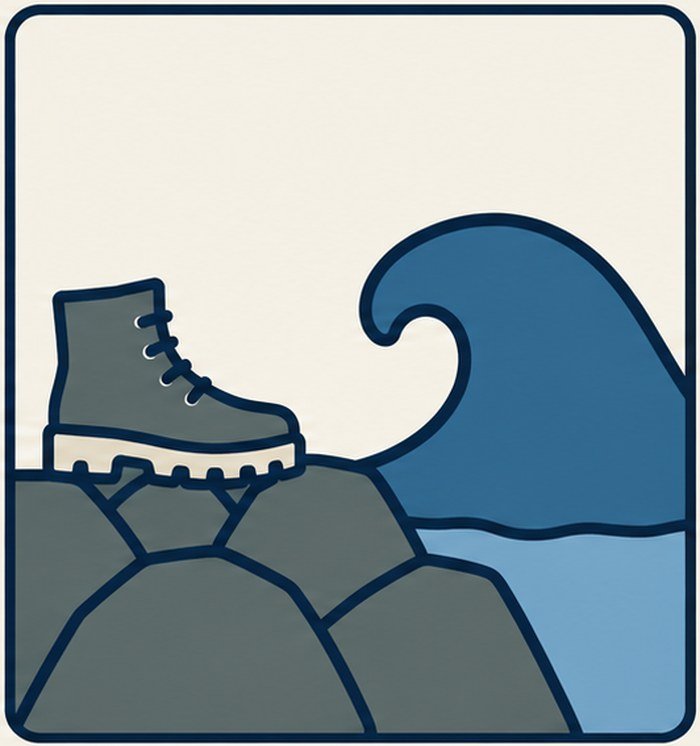 Jetty: slick rocks and sneaker waves; good footwear
- 1. A life jacket for every person aboard.
- 2. Cold water under 60°F most of the year
- 3. Check the marine forecast and tides
- 4. Jetty: slick rocks and sneaker waves; good footwear
WDFW Rules to Check
Check the exact Marine Area and target species. WDFW's area pages show the water; the regulations and emergency rules set what's open.
Before fishing, check:
- Whether the Marine Area is open for salmon and which species.
- Whether the Marine Area is open for bottomfish and which species.
- Lingcod and rockfish seasons and sizes.
- Which rockfish may be kept.
- Salmon and lingcod retention and daily limits.
- Depth restrictions for bottomfish.
- Rules on carrying a descending device.
- Hook and barb rules, including hook number and type.
- Catch-record cards.
- Closed areas and any location-specific restrictions.
A tackle example on this page isn't a legal hook setup, and a fishing depth isn't a legal depth. Check both for your water and species.
Rules change by Marine Area and in season. Check the current WDFW sport fishing regulations and emergency rules before every trip.
A Guided Day and What to Ask
Decide whether you want a salmon trip, a bottomfish trip or time learning the method. Ask your guide to explain how the planned target changes the tackle, drift and release preparation.
On a salmon session, you can ask to learn how bait appears on sonar and how the jig reaches that depth. On a bottomfish session, ask how the chart and drift line connect. Confirm what the booking includes; don't assume rods, tackle, bait or fish cleaning.
Questions worth asking before booking:
- Will we jig for salmon, bottomfish or both?
- Which Marine Area do you plan to fish?
- How long is the run to the fishing water?
- What tackle, clothing and footwear should I bring?
- How will you arrange the gear under current WDFW rules?
- What can we keep under the current rules?
- What is your weather and bar policy?
- How do you prepare for rockfish release?
- How many anglers share the boat?
- Is the trip suitable for children or a first-time angler?
- What changes if conditions prevent the planned trip?
Ask your guide for their WDFW guide license number before you book.
Learn More
- WDFW Salmon Fishing in Marine Areas — where salmon sit, jigging tackle and vertical or horizontal jigging.
- WDFW: Key In on Structure for Lingcod — bottom structure, drifts and lingcod rigs.
- WDFW: Jetty Fishing on the Washington Coast — shore tackle, tactics and jetty hazards.
- WDFW Rockfish Recovery — rockfish, barotrauma and descending devices.
- WDFW Bottomfish and Halibut — where to start on bottomfish rules.
- WDFW Marine Areas — find your Marine Area and its page.
- WDFW Sport Fishing Regulations and Emergency Rules — check before every trip.
- NOAA Tides & Currents — tide predictions.
- NWS Seattle Forecast Office — marine forecasts for Puget Sound and the Strait.
- Washington State Parks Life Jackets and Cold-Water Safety — before a day afloat.
- NOAA Fisheries: Scaling Back Your Impact — catch-and-release tips (PDF).
- Mooching, Spoons and Spinners, Salmon and Lingcod — related methods and species.
Glossary
- Jigging
- Working a weighted lure with lifts and drops of the rod.
- Vertical Jigging
- Raising and lowering a jig beneath you.
- Horizontal Jigging
- Casting a jig and working it back with rises and drops.
- Metal Jig
- Weighted metal lure, often shaped like a baitfish.
- Casting Jig
- Heavy metal lure cast and worked with lifts and falling flutters.
- Leadhead
- Hook with weight molded around its head.
- Soft Plastic
- Flexible lure body fitted to a hook or jighead.
- Swimbait
- Fish-shaped soft plastic with a swimming tail.
- Buzz Bomb
- Metal casting jig that slides on the line.
- Point Wilson Dart
- Slender metal jig with a baitfish profile.
- Lingcod
- Large bottom predator associated with rocky structure.
- Rockfish
- Group of spiny fish with many species.
- Structure
- Rocks, reefs and other bottom features that hold fish.
- Slack Tide
- Period of weak tidal current.
- Bait Ball
- Tightly grouped school of baitfish.
- Barrel Swivel
- Small rotating connector that reduces line twist.
- Blackmouth
- Resident Chinook that stays in the Salish Sea.
- Braid
- Line woven from fibers.
- Drag
- The reel mechanism that releases line under pressure.
- Fluorocarbon
- Leader material that is harder for fish to see.
- Leader
- Line between the swivel and the jig.
- Level-Wind
- Reel guide that moves across the spool to lay line evenly.
- Direct Drive
- Reel arrangement whose handle turns with the spool.
- Marine Area
- WDFW's numbered saltwater fishing zone.
- Mono
- Monofilament, a single strand of fishing line.
- Tide Rip
- Current boundary that can concentrate plankton and baitfish.
- Barotrauma
- Injury caused by rapid pressure change.
- Descending Device
- Weighted tool that returns a fish to depth for release.
Guides Who Specialize in This
More Saltwater Methods
Explore Mooching for salmon bait presentations and Spoons and Spinners for more casting approaches. Separate pages cover Halibut and Squid Jigging.
At a Glance
| Field | Summary |
|---|---|
| Main Species | Coho, pinks in odd years, Chinook, lingcod and rockfish. |
| Water | Puget Sound, the Strait of Juan de Fuca and the coast, by Marine Area. |
| In Short | Work a jig near salmon bait or just above bottomfish structure. |
| Skill Level | Simple gear; finding bait and holding the jig on target take practice. |
| Salmon Outfit | Stiff 7½ ft rod example rated for 4 or 6 oz lures; suitable level-wind reel; 10–20 lb braid; swivel; 3–4 ft mono leader no heavier than the main line. |
| Lingcod Outfit | Stiff 7–8 ft rod; 30 lb braid with 30 lb leader; leadhead weight matched to current and depth. |
| Shore Outfit | Stout 8–10 ft spinning rod for the jetties. |
| Key Gear | Chrome or white salmon jigs in 2, 4 and 6 oz choices; bottomfish leadheads with 4–6 in plastics; jetty leadheads in the separate 1–2 oz range. Match every lure to the rod's rating. |
| Release Preparation | Descending device assembled before fishing; check WDFW's carrying and handling rules. |
| Conditions | Find bait for salmon. Set bottomfish drifts across structure around slack. Check tide and forecast. |
On This Page
- What It Is and When It Beats Other Methods
- Target Species and Where in Washington
- Marine Area by Marine Area
- Seasons and Conditions
- Rods, Reels, Line and Leader
- Terminal Tackle and Rigging, Step by Step
- By Species
- Technique, Step by Step
- Worked Examples
- The Bite, Hook Set, Fight and Landing
- Handling and Release
- Common Mistakes and Fixes
- Tips That Make the Difference
- When It's Slow
- Safety
- WDFW Rules to Check
- A Guided Day and What to Ask
- Learn More
- Glossary
- Guides Who Specialize in This
- More Saltwater Methods