
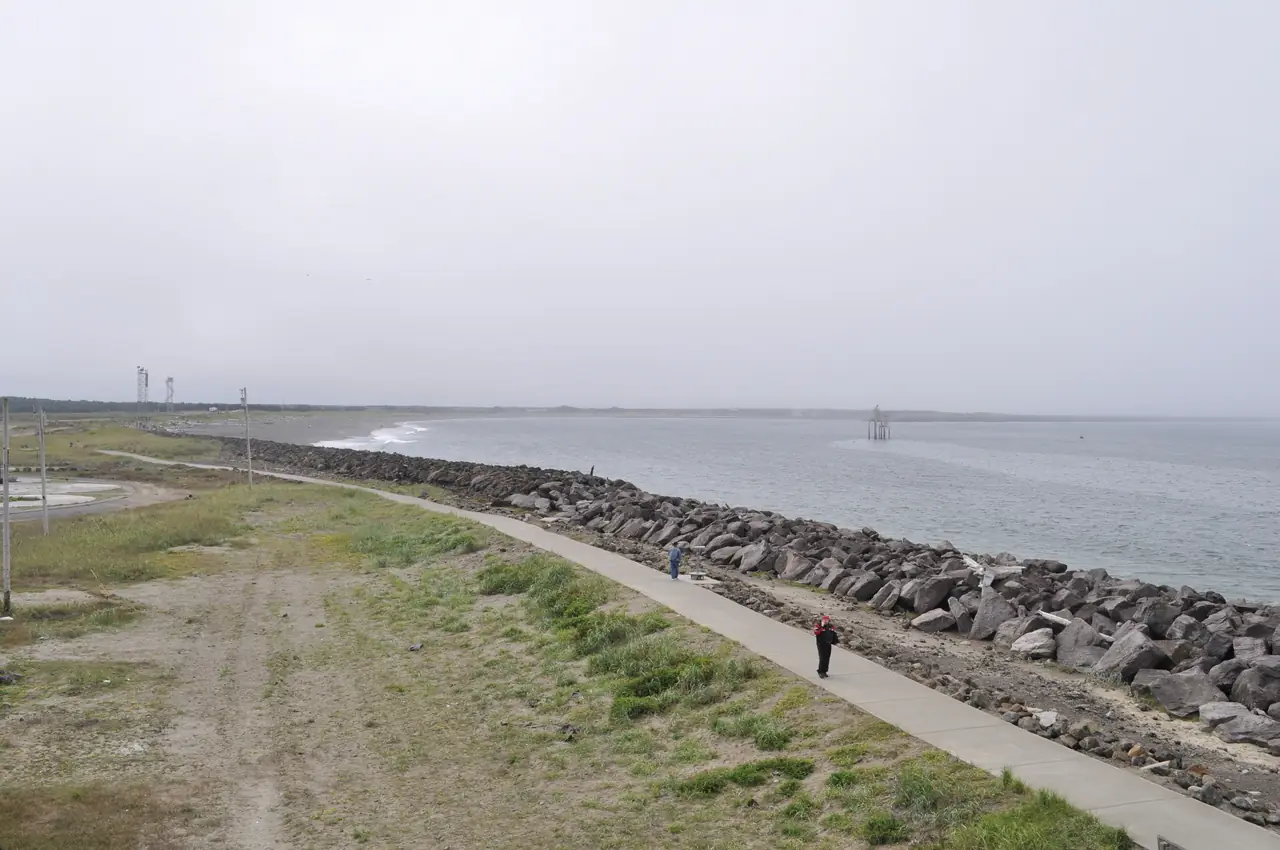
Crabbing and Shrimping
How to set crab pots, ring nets and shrimp pots in Puget Sound: choosing gear, rigging for depth and tide, baiting and soak times. Check rules with WDFW.
How to set crab pots, ring nets and shrimp pots in Puget Sound: choosing gear, rigging for depth and tide, baiting and soak times. Check rules with WDFW.
Crabbing and shrimping use baited traps to bring shellfish within reach. A pot is a trap that holds crab or shrimp. A ring net is an open net that lies flat on the bottom. Both keep fishing while they sit on the bottom. The main targets here are Dungeness crab, red rock crab and spot shrimp.
A pier keeps the setup simple, though space and Dungeness opportunity can be limited. A boat reaches more crab water. Deep-water shrimping adds heavier gear, longer lines and more planning. WDFW's spot shrimp post says it's a short fishery with few days, so get your gear working before the trip.
Before choosing gear, check what WDFW sets: seasons, open days and hours, species, sex and size rules, daily limits, gear design, buoy marking and catch record cards. This page teaches the method. Use the WDFW checklist below for the rules that apply to your trip.
What It Is and When It Beats Other Methods
You lower baited gear to the bottom, let shellfish find it and retrieve it after a soak—the time a trap spends on the bottom. Your work is to choose suitable water, keep the gear in place and bring it back under control.
Pots hold crab while they fish. Their entrances lead inside, and crab can't move freely in and out. That suits a more passive session. WDFW's coastal crab FAQ says pots work better over longer periods, while collapsible ring nets suit shorter, active sessions.
Ring nets lie open, so crab can leave before you pull. Star traps are folding traps whose sides rise when lifted; they also allow crab to enter and leave while resting on the bottom. With open gear, the pull is part of the capture.
Why It Works
Water carries scent away from the bait. A bait container, a holder that keeps bait together while water passes through, lets that scent spread. Place it inside a pot so crab go inside to feed.
The choice between open gear and a holding trap changes how you spend the day:
- Choose a pot for waiting between checks. WDFW's coastal crab guide suggests a starting soak of one to two hours.
- Choose a ring net for active fishing. WDFW's coastal crab guide suggests a starting soak of 15 to 30 minutes, then a brisk, steady lift. These are the guide's starting points for coastal crabbing, and conditions in Puget Sound differ.
- Choose shrimp gear for a deeper task. WDFW's spot shrimp post puts prime habitat along steep bottom features, usually in 200 to 350 ft.
Crabbing suits a family outing when everyone has a clear job. Someone can manage the bait, watch the line or prepare the sorting space. Keep children clear of moving line, swinging pots and crab claws.
A pot also leaves time between checks for another method. See Squid Jigging or Jigging for separate techniques. Keep track of the trap while your attention shifts; WDFW advises staying close enough to account for your pots at day's end.
No trap promises a harvest. A sound setup is a good start. Each pull tells you what to check or change.
Target Species and Where in Washington
Dungeness, Red Rock and Spot Shrimp
Dungeness crab have white claw tips. Their backs are purple-tinged, gray or brown. They favor sandy or muddy bottom and often occur in eelgrass beds. Eelgrass is a rooted marine plant with long, narrow leaves.
WDFW describes Dungeness as most abundant north of Seattle, in Hood Canal and near the Pacific coast. The Marine Area overview below connects those regions to WDFW's numbered zones.
Red rock crab are red crab with large, black-tipped claws. They are common throughout Puget Sound. Rocky bottom is a useful habitat clue, though they also occur on soft bottom, in eelgrass and around shellfish beds. They yield less meat than Dungeness but are good to eat.
Spot shrimp are large shrimp with pale spots on the tail. They are reddish-brown, with white spots on the first and fifth tail segments and white head stripes. They are Washington's largest shrimp and are most common in Hood Canal, the San Juan Islands and northern and central Puget Sound.
Coonstripe shrimp, a smaller striped shrimp, are another species to know. WDFW also describes dock shrimp and pink shrimp. Know what comes up before you decide what to keep.
Where It Works in Washington
Think about bottom type before picking a point on a map. Sand, mud and eelgrass are Dungeness clues. Rocky bottom is a red rock clue. A promising bottom still needs manageable current, enough line and room clear of traffic.
For spot shrimp, look for a ledge or drop-off, a place where the bottom falls into deeper water. WDFW's spot shrimp post describes steep ledges, sharp inclines and shrimp gathered in clouds on a fish-finder, an electronic display of depth and underwater returns.
Pier fishing has its own limits. WDFW describes piers as often crowded, with limited Dungeness opportunity. Use its public fishing piers page to find one. Check access and fishing rules separately.
See Shellfish for species context and Puget Sound Crabbing for the fishery overview.
Crab and Shrimp by Marine Area
Washington Marine Areas Explained
A Marine Area is WDFW's numbered saltwater fishing zone. Seasons and rules are set by area, so find yours on WDFW's Marine Areas page before planning a set. The Bonilla-Tatoosh line is the area boundary between Puget Sound and the coast. It crosses Marine Area 4 (Neah Bay).
| Marine Area | Where It Is |
|---|---|
| Marine Area 7 (San Juan Islands) | The San Juan Islands, north of Seattle. |
| Marine Area 8-1 (Deception Pass/Skagit Bay) | Deception Pass and Skagit Bay, north of Seattle. |
| Marine Area 8-2 (Port Susan/Port Gardner) | Port Susan and Port Gardner, north of Seattle. |
| Marine Area 9 (Admiralty Inlet) | Admiralty Inlet, north of Seattle. |
| Marine Area 10 (Seattle/Bremerton) | Seattle and Bremerton, central Puget Sound. |
| Marine Area 11 (Tacoma/Vashon) | Tacoma and Vashon Island, south of Seattle. |
| Marine Area 12 (Hood Canal) | Hood Canal, the long fjord west of Seattle. |
| Marine Area 13 (South Puget Sound) | South Puget Sound, from Tacoma south. |
| Marine Area 1 (Ilwaco) | Ilwaco and the Columbia River mouth on the outer coast. |
| Marine Area 2 (Westport/Ocean Shores) | Westport and Ocean Shores on the outer coast. |
| Marine Area 2-1 (Willapa Bay) | Willapa Bay, a coastal estuary bay. |
| Marine Area 2-2 (Grays Harbor) | Grays Harbor, a coastal estuary bay. |
Crab and Shrimp Waters by Marine Area

- 1. Marine Area 12 (Hood Canal): Dungeness and spot shrimp
- 2. Marine Area 7 (San Juan Islands): spot and coonstripe shrimp
- 3. Marine Area 8-1 (Deception Pass/Skagit Bay), Marine Area 8-2 (Port Susan/Port Gardner) and Marine Area 9 (Admiralty Inlet): north of Seattle, Dungeness
- 4. Marine Area 10 (Seattle/Bremerton), Marine Area 11 (Tacoma/Vashon) and Marine Area 13 (South Puget Sound): red rock crab and piers
- 5. coast inset: Marine Area 1 (Ilwaco), Marine Area 2 (Westport/Ocean Shores), Marine Area 2-1 (Willapa Bay) and Marine Area 2-2 (Grays Harbor)
- 6. dashed line: Bonilla-Tatoosh line, the area boundary between Puget Sound and the coast
Marine Area boundaries: Washington Department of Fish and Wildlife (WDFW).
Simplified from WDFW data. Not the legal boundary; WAC 220-311-010 and WDFW rules govern. Not endorsed by WDFW. The Bonilla-Tatoosh line is approximate, drawn through landmark points.
Marine Area boundaries: Washington Department of Fish and Wildlife (WDFW)
Simplified from WDFW data. Not the legal boundary; WAC 220-311-010 and WDFW rules govern. Not endorsed by WDFW.
Hood Canal
In Marine Area 12 (Hood Canal), WDFW's Dungeness page lists Hood Canal among the places Dungeness are most abundant. Its spot shrimp page lists Hood Canal first among the places spot shrimp are most common. These call for different searches: suitable crab bottom versus deeper shrimp habitat.
The Hood Canal Shrimp District has its own WDFW rules. Check the district's rules as well as the Marine Area's. Check WDFW's Marine Area 12 rules page.
Rules change by Marine Area and in season. Check the current WDFW sport fishing regulations and emergency rules before every trip.
San Juan Islands
In Marine Area 7 (San Juan Islands), WDFW says spot shrimp and coonstripe shrimp are common around the islands. The islands also lie north of Seattle, where WDFW says Dungeness are most abundant.
WDFW splits the area into East, South and West shrimp areas with their own rules. Check the specific shrimp area as well as the Marine Area. Check WDFW's Marine Area 7 rules page.
Rules change by Marine Area and in season. Check the current WDFW sport fishing regulations and emergency rules before every trip.
North Sound
In Marine Area 9 (Admiralty Inlet), you're north of Seattle, where WDFW says Dungeness are most abundant. The same goes for Marine Area 8-1 (Deception Pass/Skagit Bay) and Marine Area 8-2 (Port Susan/Port Gardner).
WDFW lists northern Puget Sound among the places spot and coonstripe shrimp are common. These are clues for a region, not a promise for any one set. Ferries cross these waters, so keep pots out of ferry lanes. Check WDFW's Marine Area 9 rules page.
Rules change by Marine Area and in season. Check the current WDFW sport fishing regulations and emergency rules before every trip.
Central and South Sound
In Marine Area 10 (Seattle/Bremerton), WDFW lists central Puget Sound among the places spot shrimp are most common. Marine Area 11 (Tacoma/Vashon) and Marine Area 13 (South Puget Sound) lie to the south.
Red rock crab are common throughout Puget Sound. From shore, start with WDFW's public fishing piers page. Expect crowds and limited Dungeness opportunity. The shrimp note covers central Puget Sound, not every area here. Check WDFW's Marine Area 10 rules page.
Rules change by Marine Area and in season. Check the current WDFW sport fishing regulations and emergency rules before every trip.
The Coast
In Marine Area 2-2 (Grays Harbor), WDFW's coastal crab FAQ points toward sandy or muddy bottom away from rocks. Coastal planning also includes Marine Area 2-1 (Willapa Bay), Marine Area 1 (Ilwaco) and Marine Area 2 (Westport/Ocean Shores).
The same FAQ describes crab water from the intertidal—the shore zone covered and uncovered by the tides—to about 160 ft. An estuary is a place where fresh water meets salt water; coastal crab water includes estuary bays as well as ocean water.
The FAQ says high slack is the best tide. Most male crab on the coast molt in late summer, so check shells then. Check WDFW's coastal crab page for pot closures. Check WDFW's Marine Area 2-2 rules page.
Rules change by Marine Area and in season. Check the current WDFW sport fishing regulations and emergency rules before every trip.
Seasons and Conditions
Best Times, Not Regulations. WDFW sets crab and shrimp openings by Marine Area and posts changes on its shellfish pages and emergency rules. Check those before arranging the rest of the trip. A tide prediction or habitat description doesn't tell you whether you may fish.
Tide, Molting and Weather
Slack Tide means a period of weak tidal current. WDFW's coastal crab guide favors the slack water around high or low tide because crab can forage without being pushed by current. WDFW's coastal crab FAQ favors high slack on the coast.
A flood tide is a rising tide. An ebb tide is a falling tide. Use NOAA tide predictions to plan, then look at the actual water before setting. Don't assume a height prediction tells you everything about current at your gear.
A molt is the shedding of an old shell as a crab grows. A soft-shell crab has a new shell that hasn't hardened. Dungeness can have molting peaks within an area, and newly molted crab hide before feeding actively again.
WDFW's coastal crab FAQ says most male coastal crab molt in late summer. Check shell hardness carefully during summer. A pinch test, gently pressing the shell to check firmness, helps with that inspection.
Strong current can move traps and complicate retrieval. WDFW advises avoiding extreme current and adding suitable weight to keep traps from being swept away. An extra buoy helps you find gear in current. It doesn't make extreme current safe to fish.
Weather affects the whole task, from launch to the final pull. WDFW's spot shrimp post says to check launch facilities ahead, allow extra launch time and stay ashore when your boat can't safely take part. Leave room in the plan to call it off.
Gear: Pots, Ring Nets, Lines and Buoys
Lay the gear out before loading it. Follow each connection from trap to surface. A buoy is a floating marker attached to your gear. Sinking line is line that sinks instead of floating. Lead core line is rope with a weighted core that helps it sink.
| Gear | Starting Setup | Range | Why It Helps |
|---|---|---|---|
| Crab Pot | Sound trap with working entrance gates | Inspect mesh, gates and escape cord before each trip. | Holds crab during a longer soak. |
| Ring Net | Open net with sound lifting lines | WDFW's coastal crab guide suggests a 15-to-30-minute starting soak. | Suits active checking. |
| Crab Pot Weight | Weight secured low on a light trap | Add 5 to 10 lb to lighter crab traps. | Helps resist current. |
| Shrimp Pot Weight | Weight spread evenly | WDFW shrimp advice: 10 to 30 lb. | Helps keep deep gear in place. |
| Crab Line | Sinking line or suitably weighted line | Plan one-third longer than the deepest water. | Leaves room for depth changes and scope. |
| Shrimp Line | Sinking lead line | At least 400 ft in WDFW's spot shrimp setup. Keep it no thicker than 5/16 in. | Extra thickness adds current drag. |
| Buoy | Sound surface marker | Rounded end toward the trap; optional trailer buoy. | Helps you see and find the gear. |
| Bait Holder | Container that allows water flow | Put crab bait inside the trap. | Carries scent while keeping bait together. |
| Crab Caliper | Tool for measuring shell width | Follow WDFW's measuring rules. | Gives a better check than guessing. |
| Pot Puller | Electric or hand puller | WDFW's spot shrimp post says an electric puller is well worth the cost. | Saves hauling heavy shrimp pots by hand. |
Scope is extra line beyond the water depth. WDFW's advice is to allow for tide and scope, using one-third more line than the maximum depth as a planning rule of thumb. WDFW's spot shrimp post uses at least 400 ft of line per pot. Check that against the deepest water you plan to fish.
An escape cord, also called rot cord, breaks down to give animals a way out of a lost pot. An escape ring is an opening that lets small crab leave. Cord details, ring details, mesh and pot size belong in your WDFW gear-rules check.
Pot, Ring Net and Star Trap

- 1. pot: closed trap with tunnel entrances, holds crab, starting soak one to two hours
- 2. ring net: lies open on the bottom, crab walk in and out, starting soak 15 to 30 minutes, then a brisk, steady pull
- 3. star trap: folds flat, sides lift when pulled
Starting soaks: Washington Department of Fish and Wildlife (WDFW) coastal crab guide
Starter Kit vs Upgrade Path
Crab Starter Kit
- Choose a sound pot or open trap. The Promar Heavy Duty Crab Pot has three tunnel entrances, a built-in bait box and a large top door for baiting and sorting. The Promar Star Crab Trap is fully collapsible with draw-up cords, giving an open-trap alternative.
- Choose sinking line and plan its length around maximum depth. Promar 5/16" Lead Core Rope has a heavy sinking core. A Promar Crab/Lobster Line Weight attaches near the float to keep excess line below the surface.
- Add a buoy, suitable bait holder and bait. Promar Wire Bait Cages use vinyl-coated mesh with an elastic band and clip closure, giving a separate holder you can open to rebait.
- Add low-secured weight to a light pot, a crab caliper and a cooler with towels and ice. Include gloves for handling line and crab.
Crab Upgrade Path
Improve line storage, spare connections and the sorting space before adding complexity. A larger gear load only helps if you can deploy, track and retrieve it calmly. Practice with the setup you can handle.
Shrimp Starter Kit
- Start with a shrimp pot, bait barrel and suitable harness. A bait barrel is a container that holds shrimp bait. A harness is the set of lines that joins the pot to its hauling line.
- The Promar Heavy Duty Box Pot with 4 Tunnels is sold for spot prawns and shrimp and includes a built-in bait cage. Its listed harness is a two-way design; WDFW's separate example uses a four-way harness.
- Plan at least 400 ft of sinking lead line, then check maximum depth. Keep line no thicker than 5/16 in.
- Spread 10 to 30 lb of weight evenly and prepare the buoy connection. A trailer buoy, an extra buoy trailing the main marker, can help you find it in stronger current.
- Prepare bait, ice and a retrieval plan. The Scotty 2500 Line Puller is a 12-volt electric puller, and WDFW's spot shrimp post names Scotty's puller. Check that the puller suits your line size.
Shrimp Upgrade Path
Improve the puller's working space, power setup and line storage. Add spare bait barrels so rebaiting is organized. A local tackle shop can help you match parts.
Rigging Step by Step
Rig It as One System
Prepare the trap, weight, hauling connection, line and buoy as a complete system. Keep the line loose enough to inspect. Check connections under tension before loading.
Crab Pot
- Inspect the trap. Look for large mesh holes. Check that entrance gates swing freely and the escape cord hasn't already deteriorated.
- Secure the weight. Add 5 to 10 lb to a light crab trap. Keep it low and clear of entrances.
- Plan the line. Know the depth and allow for the highest water during the set. Use WDFW's one-third-extra rule of thumb.
- Control floating line. Prefer sinking line or weight the line so it stays below the surface. Floating rope can foul propellers or be cut.
- Attach the buoy. Put its rounded end toward the trap. The flat end creates more drag and catches debris. Tie it on with a secure knot and pull-test it.
- Place the bait. Let water flow through the holder. Position it so crab enter the pot to feed.
Rigging a Crab Pot

- 1. buoy on the surface, rounded end toward the trap
- 2. sinking line, or a line weight near the float
- 3. bait container inside the pot, so crab must enter
- 4. extra weight tied low on a light pot
- 5. check mesh, gates and escape cord before you go
Line Length and the Tide

- 1. water depth at low tide
- 2. water depth at high tide
- 3. line one-third longer than the deepest water
- 4. too-short line pulls the buoy under or loses the pot
Ring Net
- Check the lifting lines. Spread the net and confirm that it rises evenly.
- Secure the bait near the center. Keep it from sliding out during the lift.
- Secure the shore end first. WDFW's coastal crab guide says to tie the line to the pier or dock before putting the gear out.
- Lower it flat. An open net needs to rest in a position crab can enter.
- Clear the retrieval path. Leave room for the rising net and a place to set it down without tangling the next pull.
Avoid a hard throw that tangles the lifting lines. A controlled lowering gives you a better chance to feel whether the net has reached bottom.
Shrimp Pot
- Spread the weight. WDFW's shrimp advice is 10 to 30 lb, evenly placed.
- Set the harness. WDFW's spot shrimp post uses a four-way rope harness attached at the corners of a medium square pot.
- Secure the barrel. The same post uses a wide strip of elastic cord to hold the bait barrel in place.
- Check line diameter. Keep it no thicker than 5/16 in to limit current drag.
- Check line length. The post uses at least 400 ft of sinking lead line per pot. Compare that with maximum depth and the one-third-extra advice.
- Finish the surface connection. Attach the buoy rounded end toward the trap and consider an optional trailer buoy.
A store pot may not match this setup. Check its harness, bait holder and connections, then check WDFW's current gear rules.
Bait
Crab Bait
WDFW lists fish carcasses, clams and squid as top crab baits. Chicken and turkey are common alternatives. Choose bait you can secure and handle cleanly.
Water needs a path around the bait. A tightly packed holder that blocks flow defeats its purpose. Leave access while keeping the bait inside the pot so crab enter to feed.
After a pull, inspect what remains. Refill an empty holder and check its closure. Bait changes are useful when the bait is missing or poorly presented; they don't repair a drifting pot.
Shrimp Bait
WDFW's spot shrimp post describes a mix with the consistency of dense yogurt. It should still release a scent cloud after reaching bottom.
The post mixes shrimp bait pellets with oily tuna, whitefish or salmon in a five-gallon bucket. It adds cat food cans with small holes just before the drop and carries extra cans. A scoop or ladle and latex gloves help with handling the mix.
Prepare the mix before the busy part of deployment. Keep the barrel closure clear and make sure it sits firmly in the pot. Bring spare barrels so you can rebait without spreading loose gear across the working area.
Brushing Up: Inspect the bait holder as closely as the bait. A loose lid or shifted barrel can change the presentation before the pot reaches bottom.
Technique Step by Step
How It Works, Step by Step
Begin with rules, weather, tide and depth. Then choose bottom type, check traffic and prepare a clear route for the line. Everyone aboard should know who handles the trap and who watches the line.
Crab
- Choose suitable bottom. Look for sand, mud or eelgrass for Dungeness. Rocky habitat is a red rock clue.
- Check the current. Plan around slack tide and avoid extreme current.
- Clear the set. Keep away from heavy boat and barge traffic. Check that the line can leave its container without crossing a foot or loose handle.
- Lower under control. Feed line without wrapping it around a hand. Keep the buoy and loose rope clear as the trap descends.
- Mark the position. Save the trap location with GPS whenever possible.
- Give the gear its working time. WDFW's coastal crab guide suggests starting soaks of one to two hours for pots and 15 to 30 minutes for ring nets.
- Retrieve steadily. Pull a ring net briskly so crab stay inside. Gather incoming rope where it can't tangle with feet.
- Sort before resetting. Identify, measure and check shell firmness. Refill the bait holder and inspect the gear before lowering it again.
Adjust from what each pull tells you.
Shrimp
- Find the bottom feature. WDFW's spot shrimp post favors steep ledges, drop-offs and sharp inclines. Prime habitat is usually 200 to 350 ft.
- Read the display. Shrimp swarms can look like a cloud on a fish-finder. Use the depth reading to check your line plan.
- Spread the search. Scatter traps across a broad area at various depths. Check the current gear-count rules before planning the set.
- Deploy cleanly. Keep the harness straight and feed the line from an orderly coil. WDFW's post advises coiling drop lines neatly before heading out.
- Make the first check. WDFW's spot shrimp post suggests a first soak of one to two hours. Fit retrieval into the actual opening you checked with WDFW.
- Compare sets. Use what comes up to decide which depth or bottom feature to try next. Keep track of positions rather than relying on memory.
- Ice the shrimp promptly. WDFW's post says to put them on ice right away.
Finding Spot Shrimp

- 1. steep ledge, drop-off or sharp incline
- 2. prime water usually 200 to 350 ft
- 3. shrimp cloud on the fish-finder
- 4. pots scattered at different depths
- 5. first pull after one to two hours, as a starting point (WDFW's spot shrimp post)
WDFW's spot shrimp post says an electric pot puller is well worth the cost compared with hand-pulling a 35 lb trap from more than 300 ft.
Lost Gear and Traffic
Keep the set out of heavy boat and barge traffic. WDFW's crab gear post also warns about marina entrances and ferry traffic, including lines tangled in ferry propeller shafts. Check WDFW for ferry-lane and terminal restrictions. This page doesn't map them.
Stay close enough to keep track of your gear and account for it at day's end. A saved position helps, but it doesn't replace watching the surface marker.
Ghost fishing is continued trapping by lost gear. Trapped animals die and become bait for more animals. Report lost or derelict gear through WDFW's no-fault system. Don't try to retrieve derelict gear yourself.
Worked Examples
A Ring Net From a Public Pier
Rules change by Marine Area and in season. Check the current WDFW sport fishing regulations and emergency rules before every trip.
Check the tide and forecast, then know your depth before you set.
This example works on any public pier. Choose one in Marine Area 10 (Seattle/Bremerton) or another area from WDFW's public fishing piers page. Expect shared space and limited Dungeness opportunity; red rock crab are common throughout Puget Sound.
Prepare the sorting space and release bucket before lowering the net. Tie the line to the pier first. Lower the net flat. WDFW's coastal crab guide suggests a 15-to-30-minute starting soak and a brisk, steady pull.
Check claw tips to tell the two crab apart, then measure and inspect shell firmness. Lower released crab in a bucket on a line rather than dropping them from the pier. This is a plan, not a catch report.
Two Pots in Hood Canal
Rules change by Marine Area and in season. Check the current WDFW sport fishing regulations and emergency rules before every trip.
Check the tide and forecast, then know your depth before you set.
For this small-boat example in Marine Area 12 (Hood Canal), first check the gear-count rules for your party. Look for sand, mud or eelgrass and choose space clear of heavy traffic.
Add 5 to 10 lb to a light pot and prepare sinking line one-third longer than the deepest water. Keep the two sets organized separately while preparing them. Two pots is an example, not a statement of what WDFW allows.
Set near slack water and save the positions with GPS. WDFW's coastal crab guide suggests a one-to-two-hour pot soak as a starting point. After sorting, keep retained crab cool and moist under seawater-soaked towels with ice on top.
Spot Shrimp on a Hood Canal Opening
Rules change by Marine Area and in season. Check the current WDFW sport fishing regulations and emergency rules before every trip.
Check the tide and forecast, then know your depth before you set.
For Marine Area 12 (Hood Canal), check the Hood Canal Shrimp District information as well. WDFW's spot shrimp post advises launching early and reaching the spot with baited traps ready for the announced start.
Look for a steep ledge or drop-off in 200 to 350 ft and look for the shrimp cloud on the fish-finder. Prepare at least 400 ft of sinking lead line, then compare its length with maximum depth. Keep the line no thicker than 5/16 in. Spread 10 to 30 lb of weight evenly.
Use the dense-yogurt bait mix and punched cat food cans described above. Spread sets across various depths. WDFW's spot shrimp post suggests a first pull after one to two hours. An electric puller helps with the deep haul. Put shrimp on ice immediately after sorting.
Late Summer in Grays Harbor
Rules change by Marine Area and in season. Check the current WDFW sport fishing regulations and emergency rules before every trip.
Check the tide and forecast, then know your depth before you set.
In Marine Area 2-2 (Grays Harbor), check WDFW's coastal crab page for the rules. Look for sandy or muddy bottom away from rocks and plan around high slack.
Late summer changes the sorting task. WDFW's coastal crab FAQ describes coastal male molting at this time, so pinch-test each crab you're considering keeping. A shell that flexes gets a gentle return to the water.
Check every crab, not just the first one. Molt timing is a reason to check, not a forecast of what the pot will hold.
Sorting and Handling the Catch
Prepare the caliper, cooler and release plan before bringing gear aboard. Sorting goes more smoothly when loose rope is contained and the next trap can wait.
Telling Dungeness From Red Rock Crab
Look at claw tips first. Dungeness have white tips and purple-tinged, gray or brown backs. Red rock crab have black tips, large claws and red shells.
Use the whole crab to confirm the identification. Color alone can be harder to judge in poor light. Check WDFW's rules before you decide what to keep.
Telling Males From Females
Turn the crab over while holding it from the back. The abdominal flap is the folded plate on its underside. Females have a wider flap than males.
Learn the comparison before the trip so you can make the check calmly. Which crab you may keep is a WDFW rule. Check it before every trip.
Measuring
Use a crab caliper, a tool for measuring shell width. For how to measure, follow WDFW's crab measuring rules. Check the current size rules before every trip.
Keep your fingers out of reach of the claws while you handle a crab.
Know Your Crab

- 1. Dungeness: purple-tinged, gray or brown shell, white claw tips
- 2. red rock crab: red shell in life, large black-tipped claws
- 3. underside: female's wider abdominal flap vs male's narrow flap
- 4. a crab caliper shown beside the crab (no measuring method; WDFW's measuring rules cover how to measure)
The Pinch Test for Soft Shells
WDFW describes this shell check:
- Hold the crab from the back and turn it over.
- Push a claw's elbow toward the mouth.
- Press the exposed shell with your thumb, increasing pressure gently without breaking it.
- If it flexes, return the crab gently.
Soft crab can feel light for their size and have a whiter underside. Hard crab have a darker yellowish-brown underside, often with barnacles or algae. Soft crab also yield less meat, and that meat is watery.
The Pinch Test

- 1. hold from the back and turn it over
- 2. push one claw's elbow toward the mouth
- 3. press the shell with your thumb, gently harderflexes: put it back gentlylight for its size, white underside: soft; darker with barnacles: hard
Use the test without trying to dent or damage the shell. Check WDFW's soft-shell rules before the trip.
Releasing and Storing
Place released crab gently back in the water. From a pier, lower them in a bucket on a line. Don't fling them or drop them on hard surfaces.
Keep retained crab cool and moist until cooking. WDFW describes seawater-soaked towels with ice on top. Avoid submerging crab in seawater unless it is aerated; they can use up the oxygen and die.
Put spot shrimp on ice right away. WDFW's spot shrimp post favors preparing live shrimp the same day when possible. It also describes short refrigerated storage or freezing. Check head and container rules before choosing how to handle the catch.
A catch record card is a WDFW card for recording certain catches. Check recording and reporting instructions in the rules checklist before fishing.
Cleaning and Cooking
The Washington Department of Health advises killing and cleaning crab before cooking. Before cleaning in the field, check whether you may do so and how WDFW treats the shell.
WDFW's crab preparation sequence starts with a sharp blow to the middle of the underside using a cleaver or similar tool. Use a stable work surface and keep hands clear.
Pull off the top shell from back to front. Break the crab along its midline, then remove the viscera, mouthparts, tail and gills. Rinse if desired.
For boiling, WDFW's Puget Sound crabbing page gives 3 to 5 oz of salt per gallon of water and a total of 10 to 15 minutes, with at least 3 minutes after the water returns to a rolling boil. Follow with about 2 minutes in cold water.
For whole spot shrimp, WDFW's spot shrimp post gives a brief boil of 1 to 2 minutes, until they turn pink. Keep shrimp out of tap water during live storage because chlorine kills them. Check head-handling rules before following storage advice that involves removing heads.
Common Mistakes and Fixes
| Mistake | What You Notice | Fix |
|---|---|---|
| Too little line | Buoy pulls down or the set is lost | Check maximum depth and the one-third-extra advice. |
| Floating rope | Loose line remains near propellers | Use sinking line or suitable line weights. |
| Light trap in current | Gear moves from its set | Add appropriate weight and avoid extreme current. |
| Slow ring-net pull | Crab can leave the open net | Pull briskly and steadily. |
| Treating a pot like a ring net | Frequent checks interrupt the soak | Use the longer pot starting soak WDFW's coastal crab guide suggests. |
| Thick shrimp rope | More current drag | Keep line no thicker than 5/16 in. |
| Searching a single shrimp depth | Little information to compare | Spread sets across various depths. |
| Guessing crab size | Uncertain measurement | Use a caliper and follow WDFW's measuring rules. |
| Loose line on deck | Tangled coils near feet | Contain incoming rope before the next operation. |
| Relying on old rules | Trip plan doesn't match current notices | Recheck the Marine Area and emergency rules. |
When a set goes wrong, inspect the whole system before adding weight or changing bait. A buried connection, tangled harness or loose bait holder may explain more than the soak time.
Tips That Make the Difference
- Save the position. Mark traps with GPS whenever possible. Name saved positions clearly enough to tell them apart.
- Use slack thoughtfully. WDFW's coastal crab guide favors weak current; its coastal FAQ favors high slack. Watch the water as well as the prediction.
- Make rope storage part of the setup. Neatly coiled shrimp drop lines are part of WDFW's spot shrimp preparation advice. Check that the rope feeds without snagging.
- Prepare the next bait barrel. WDFW's spot shrimp post suggests bringing extras. Keep them closed and out of the walking area.
- Plan retrieval before deployment. Deep shrimp gear can make hand hauling demanding. Set up the puller and line collection space first.
- Inspect the surface marker. An optional trailer buoy can help you find the main buoy in stronger current. It doesn't solve poor placement.
- Learn the sorting sequence. Identify, check sex, measure and inspect shell firmness before deciding what to retain.
- Account for every set. Stay close enough to track the gear and collect it at day's end.
When It's Slow
Start with a gear check. Did the pot reach bottom? Is the line plan right for the depth? Is the bait holder still full and secured? These questions are easier to answer than whether the shellfish "want" a different bait.
For crab, compare the soak with the starting points WDFW's coastal crab guide suggests: one to two hours for pots and 15 to 30 minutes for ring nets. Avoid turning every quiet pull into an ever-longer wait.
Next, reconsider bottom and current. Dungeness favor sand, mud and eelgrass. Red rock crab also use rocky habitat. A move near slack tide may offer a more manageable set than adding gear in strong flow.
For shrimp, compare different depths along the ledge rather than repeating a single position. WDFW's spot shrimp post recommends spreading traps across a broad area at various depths. Replace missing bait and check whether the mix remains in the barrel long enough to reach bottom.
Change something you can observe. Record the position, bottom feature and gear condition so the next pull teaches you something.
Safety
Crab and shrimp gear is heavy, and line runs fast when a pot goes down. Set up the deck before the first trap goes over the side.
- Running line: Keep hands and feet clear when a pot goes down. Never stand inside a coil or wrap line around your hand. A coil around an ankle can pull you overboard.
- Gloves: Wear them for pot lines and crab.
- Pot puller: Keep hands, hair and loose clothing clear. Stop the puller before you clear a jam.
- Boat load: Don't overload a small boat with pots, people and gear.
- Traffic: Watch for boats and ferries while you work gear. Keep pots out of ferry lanes and marina entrances.
- Weather and launch: WDFW's spot shrimp post says not to launch or leave the dock if your boat can't safely handle the conditions. Check the ramp ahead and allow extra time to launch. Check the NWS Seattle forecast office and NOAA tide predictions before you leave.
- Life jackets: Wear a life jacket that fits. Washington State Parks says to carry a properly fitted U.S. Coast Guard-approved life jacket for each person. Check its life-jacket guidance for the children's and throwable rules.
- Boater education: Check Washington State Parks' boater education rules, especially if you run a motor.
- Weather and tide: Check the NWS Seattle forecast office marine forecast and NOAA tide predictions before you leave.
- Cold water: Many Washington waters stay under 60°F most of the year. Cold water shock is a risk even when the air feels warm. Read Washington State Parks' cold-water guidance.
Safe Gear, Safe Crew

 keep hands and feet clear of running line
 keep clothing clear of the pot puller
 life jacket on the water
 stay out of ferry lanes and marina entrances
 report lost gear, don't try to pull derelict gear
- 1. keep hands and feet clear of running line
- 2. keep clothing clear of the pot puller
- 3. life jacket on the water
- 4. stay out of ferry lanes and marina entrances
- 5. report lost gear, don't try to pull derelict gear
WDFW Rules to Check
Check the exact Marine Area, species, method and date. WDFW posts changes through its crab and shrimp pages and emergency rules. A familiar trap or past trip doesn't answer today's rules.
Check:
- Seasons, open days and open hours for each Marine Area.
- Which crab you may keep: species, sex and size.
- Soft-shell crab rules.
- Daily limits for crab and shrimp.
- Catch record card instructions, including recording and reporting.
- Licenses and endorsements.
- How many pots or ring nets each person or boat may fish.
- Gear rules: mesh size, escape rings, pot size and escape cord.
- Buoy marking, color and container rules.
- Rules on setting or pulling gear at night.
- Whether gear can remain in the water on closed days.
- Shrimp rules, including spot shrimp retention and handling of heads.
- Closed areas, ferry terminals and ferry lanes.
- Coastal pot closures.
- Whether you may clean crab in the field and how shells are handled.
Start with WDFW's crab seasons and areas page and shrimp rules by marine area page.
Rules change by Marine Area and in season. Check the current WDFW sport fishing regulations and emergency rules before every trip.
Learn More
- WDFW Recreational Crabbing in Puget Sound — trap preparation, bait, deployment and catch care.
- WDFW Crab Identification and Soft-Shelled Crab — species clues, molting and shell checks.
- WDFW Crab Seasons and Areas — begin the crab rules check here.
- WDFW Crabbing on the Coast and Coastal Crab FAQ — coastal planning, habitat and gear choices.
- WDFW Shrimp Rules by Marine Area — area and district information.
- WDFW Shrimp Trap Tips Handout — line, weight and buoy setup.
- WDFW's Spot Shrimp Post — preparation, bait and finding shrimp habitat.
- WDFW's Crab Gear Post — gear care and traffic hazards.
- WDFW Derelict Gear — lost-gear reporting and recovery information.
- WDFW Marine Areas — find the area for your planned set.
- NOAA Tides & Currents and NWS Seattle Forecast Office — tide and weather planning.
- WDFW Sport Fishing Regulations and Emergency Rules — check before every trip.
- Washington State Parks Life Jackets and Cold-Water Safety — before a day on the water.
- Shellfish, Puget Sound Crabbing, Squid Jigging and Halibut — related species and methods.
Glossary
- Abdominal Flap
- Folded plate on the underside of a crab.
- Bait Barrel
- Container that holds shrimp bait.
- Bait Container
- Holder that keeps bait together while water passes through.
- Buoy
- Floating marker attached to fishing gear.
- Catch Record Card
- WDFW card for recording certain catches.
- Coonstripe Shrimp
- Striped shrimp smaller than spot shrimp.
- Crab Caliper
- Tool for measuring crab shell width.
- Drop-Off
- Place where the bottom falls into deeper water.
- Dungeness Crab
- Large crab with white claw tips.
- Ebb Tide
- Falling tide.
- Eelgrass
- Rooted marine plant with long, narrow leaves.
- Escape Cord
- Biodegradable cord that gives animals a way out of a lost pot; also called rot cord.
- Escape Ring
- Opening that lets small crab leave a trap.
- Estuary
- Place where fresh water meets salt water.
- Fish-Finder
- Electronic display of depth and underwater returns.
- Flood Tide
- Rising tide.
- Ghost Fishing
- Continued trapping by lost fishing gear.
- Harness
- Lines that join a pot to its hauling line.
- Intertidal
- Shore zone covered and uncovered by the tides.
- Lead Core Line
- Rope with a weighted core that helps it sink.
- Marine Area
- WDFW's numbered saltwater fishing zone.
- Molt
- Shedding an old shell to grow.
- Pinch Test
- Gently pressing a crab's shell to check firmness.
- Pot
- Trap that holds crab or shrimp.
- Pot Puller
- Device that hauls trap line.
- Red Rock Crab
- Red crab with large, black-tipped claws.
- Ring Net
- Open net that lies flat on the bottom.
- Scope
- Extra line beyond the water depth.
- Sinking Line
- Line that sinks instead of floating.
- Slack Tide
- Period of weak tidal current.
- Soak
- Time a trap spends on the bottom.
- Soft-Shell Crab
- Crab whose new shell hasn't hardened.
- Spot Shrimp
- Large shrimp with pale spots on the tail.
- Star Trap
- Folding trap whose sides rise when lifted.
- Trailer Buoy
- Extra buoy trailing the main surface marker.
Guides Who Specialize in This
Guided crab trips run from a boat; the pier and small-boat methods on this page need no guide.
Ask your guide for their WDFW guide license number before you book.
More Saltwater Methods
Explore Beach Fly Fishing, Halibut, Jigging, Mooching, Squid Jigging and Trolling for other ways to fish salt water.
At a Glance
| Field | Summary |
|---|---|
| Main Species | Dungeness crab, red rock crab and spot shrimp. |
| Water | Puget Sound, Hood Canal and the outer coast by Marine Area. |
| In Short | Set baited pots or ring nets from a pier or boat, then retrieve and sort. |
| Skill Level | Beginner for simple crab setups; intermediate for managing deep-water shrimp gear. |
| Key Gear | Crab pot or ring net, sinking or weighted line, buoy, bait holder and crab caliper. Plan line one-third longer than the deepest water. Shrimp setup: at least 400 ft of sinking lead line no thicker than 5/16 in. Spread 10 to 30 lb of weight evenly and plan retrieval with a pot puller. |
| Catch Care | Keep crab cool and moist; ice shrimp promptly. |
On This Page
- What It Is and When It Beats Other Methods
- Target Species and Where in Washington
- Crab and Shrimp by Marine Area
- Seasons and Conditions
- Gear: Pots, Ring Nets, Lines and Buoys
- Rigging Step by Step
- Bait
- Technique Step by Step
- Worked Examples
- Sorting and Handling the Catch
- Common Mistakes and Fixes
- Tips That Make the Difference
- When It's Slow
- Safety
- WDFW Rules to Check
- Learn More
- Glossary
- Guides Who Specialize in This
- More Saltwater Methods