
The Fall Steelhead Connection
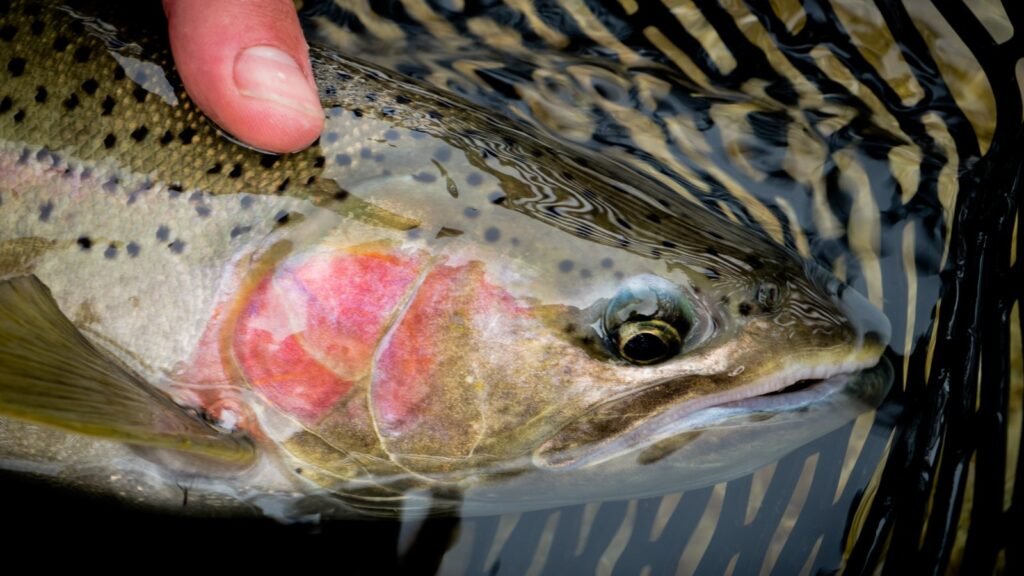
Here’s something that confuses plenty of new steelhead anglers: some of the fish we pursue in fall are called summer-run steelhead.
The name describes when they enter freshwater, not how long they remain there.
Steelhead are sea-run rainbow trout, and Washington has both summer and winter runs. Most summer-run steelhead are found east of the Cascades, where fish enter rivers during summer and hold until spawning the following spring.
That long freshwater stay is what makes October such an interesting time.
In the Columbia and Snake river systems and their tributaries, fall can be a season for anglers who enjoy reading water, covering ground, and working carefully for a fish.
What Makes Summer-Run Steelhead Different
Steelhead average roughly 8 to 11 pounds, but their appeal isn’t just size.
They’re athletic fish, and the combination of moving water and an unpredictable fight makes them memorable.
Unlike a salmon returning to spawn in fall, a summer-run steelhead may spend months in freshwater before spawning the next spring.
That difference changes how you think about finding fish. Rather than concentrating only on a fresh upstream push, you’re also considering fish that have already entered the river and are holding in suitable water.
A few western Washington rivers also have summer runs, but most Washington summer-run opportunities are east of the Cascades.
Reading Fall Steelhead Water
You don’t need an enormous tackle collection to start learning steelhead water. You need patience and a willingness to observe.
When approaching a river, look for:
- Current seams: Places where faster and slower water meet.
- Holding water: Areas where a fish can rest without fighting the strongest current.
- Depth changes: Transitions that create different current speeds and possible holding spots.
- Accessible casting positions: Places where you can work the water deliberately and safely.
Whether you prefer fly fishing or conventional tackle, focus on presenting your gear naturally and covering water methodically.
Steelhead fishing often rewards persistence more than constant equipment changes.
And remember, good-looking water doesn’t always contain fish.
Conditions and Rules Deserve Extra Attention
Fall steelhead planning in Washington requires flexibility.
Returns can change from season to season, and fishing rules can change while a season is underway. It’s especially important not to rely on what was permitted during a previous trip.
Check the current WDFW fishing regulations for the water you want to visit. WDFW’s Fish Washington app is another useful resource for up-to-the-minute rules.
Make that part of your trip planning, not something you remember after arriving at the river.
A Good Time to Learn From a Local
The Columbia and Snake tributaries cover a lot of different water. If you’re unfamiliar with an area, local experience can make a big difference in understanding river conditions and effective presentations.
Start with our steelhead species guide, then find a local fishing guide who knows the region.
October steelhead fishing isn’t necessarily about fast action. It’s about good water, careful observation, and the possibility that the next cast connects with one of Washington’s great river fish.